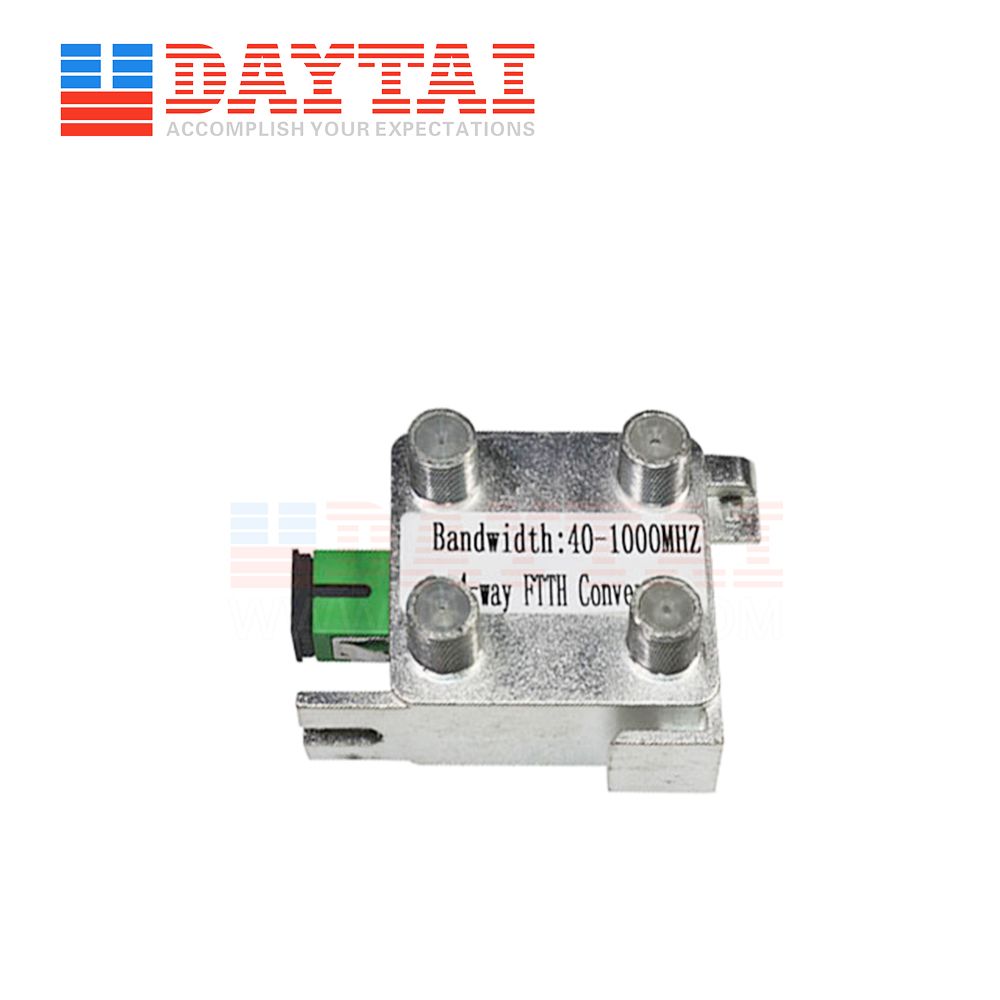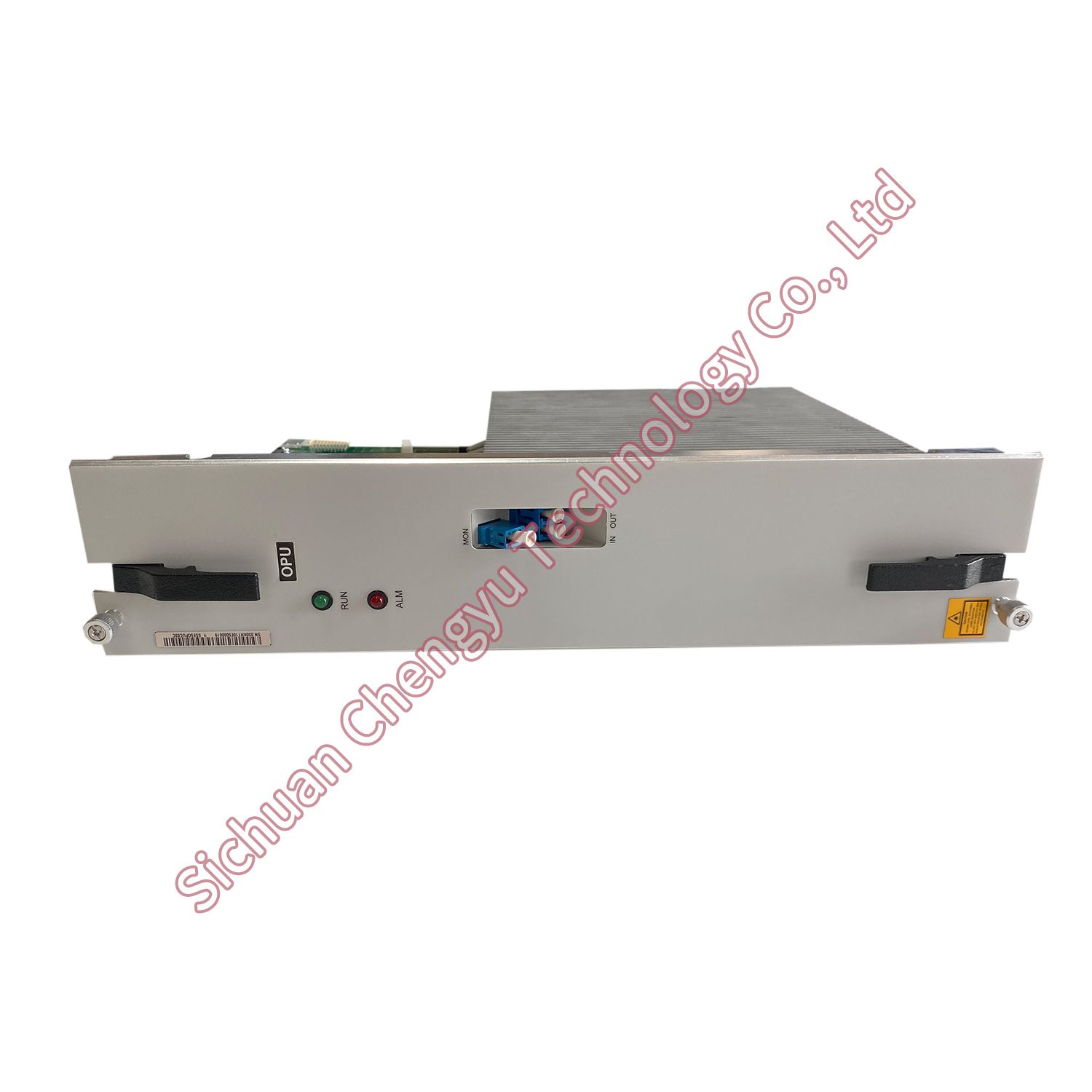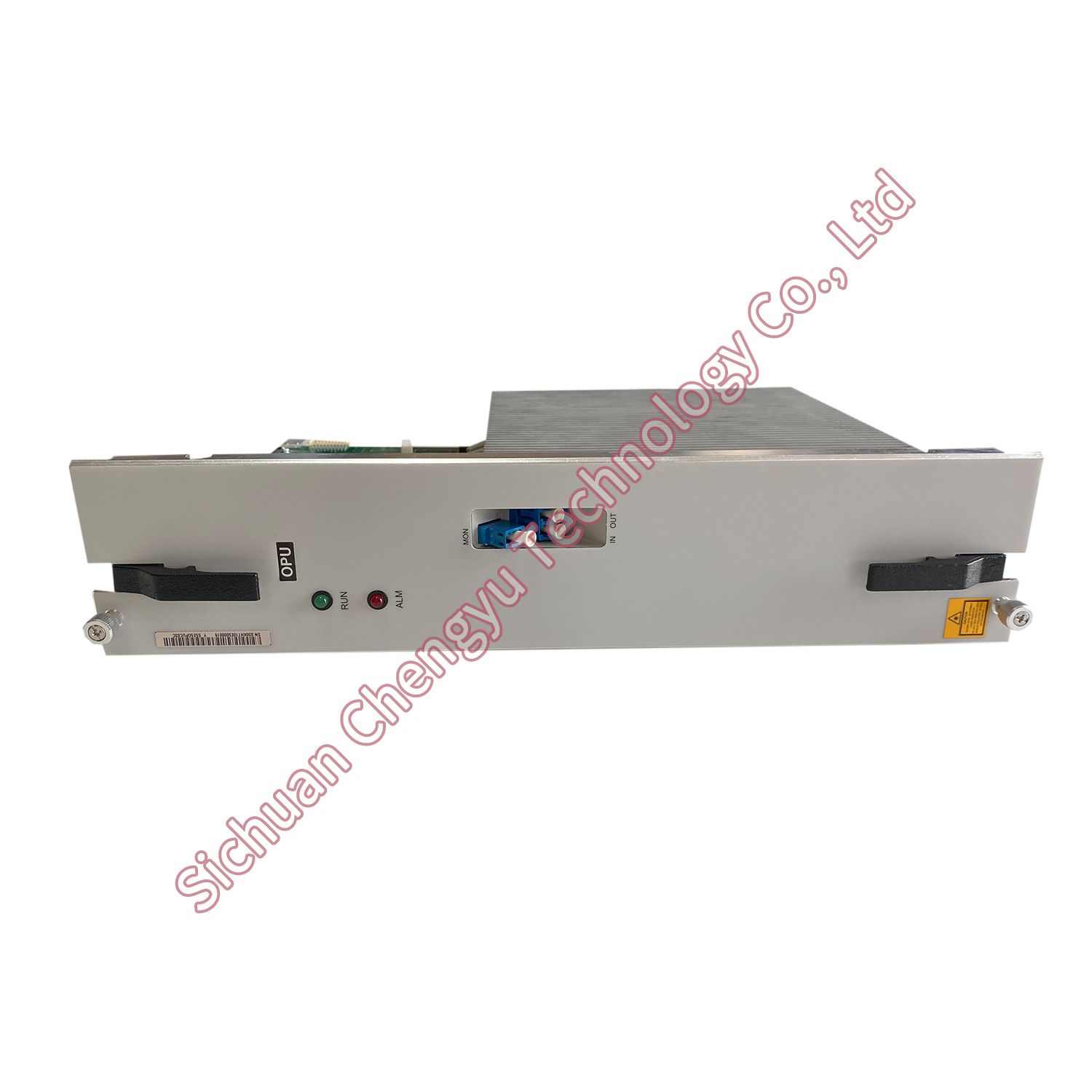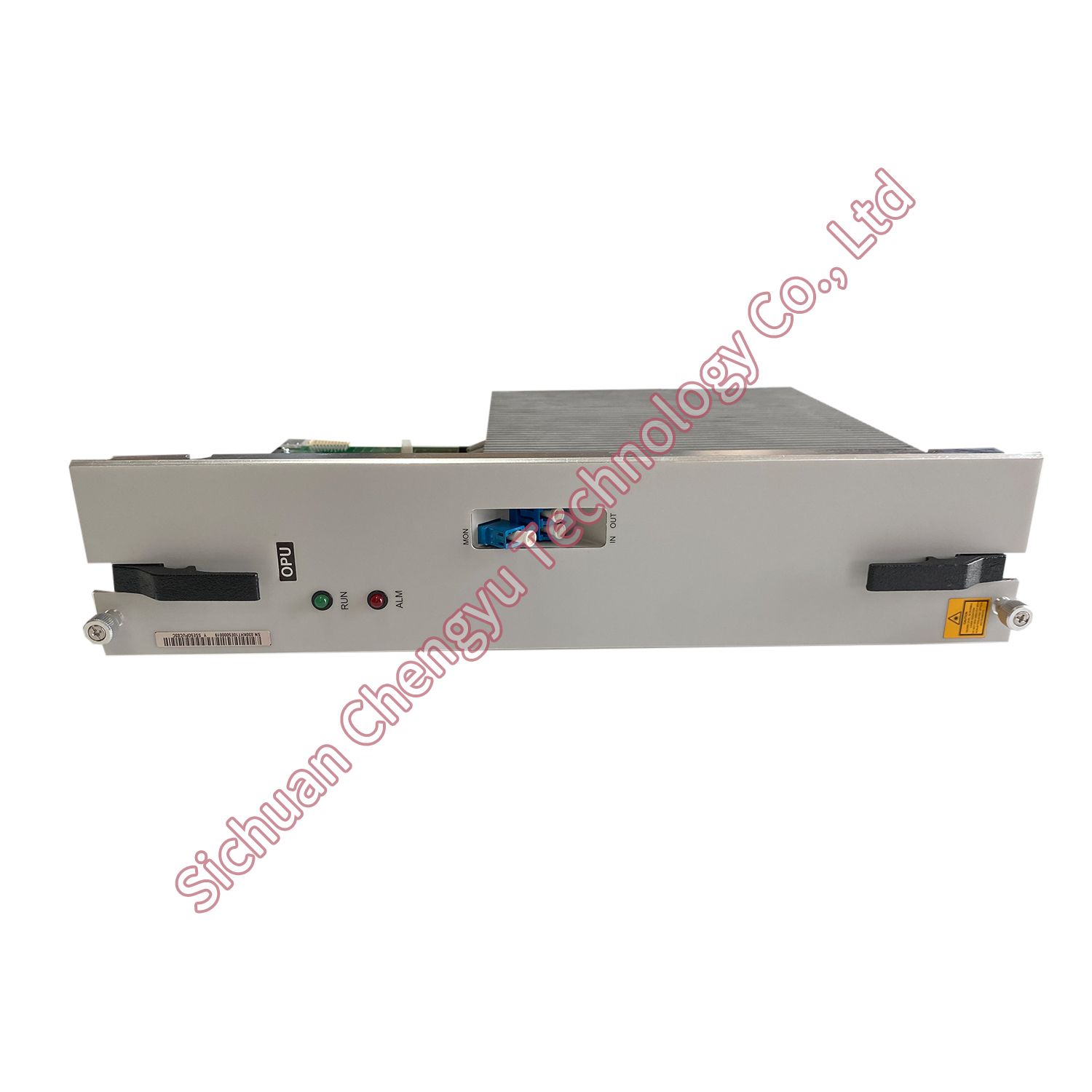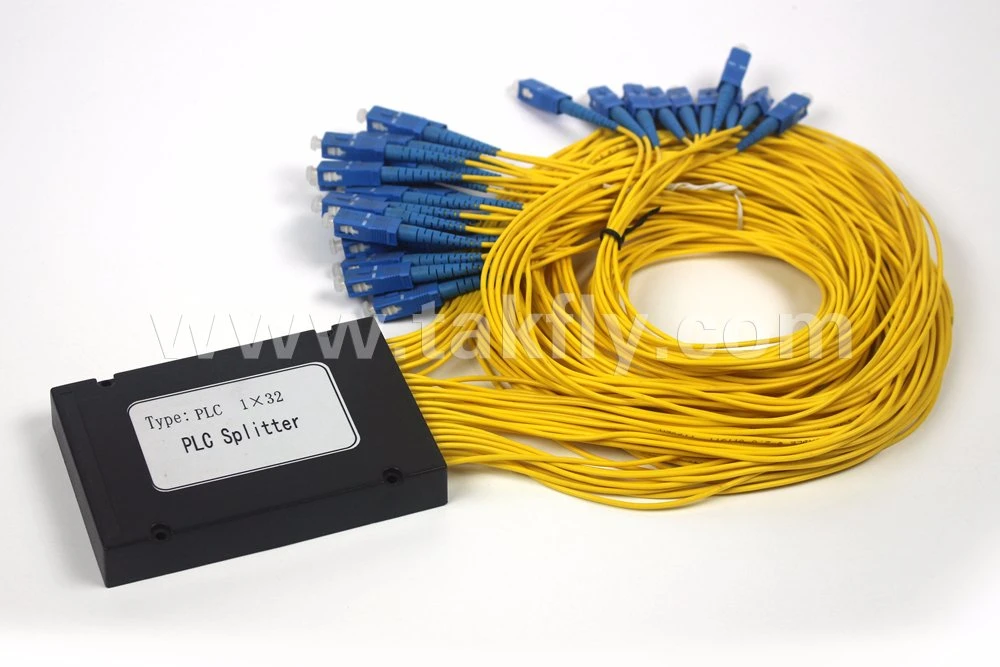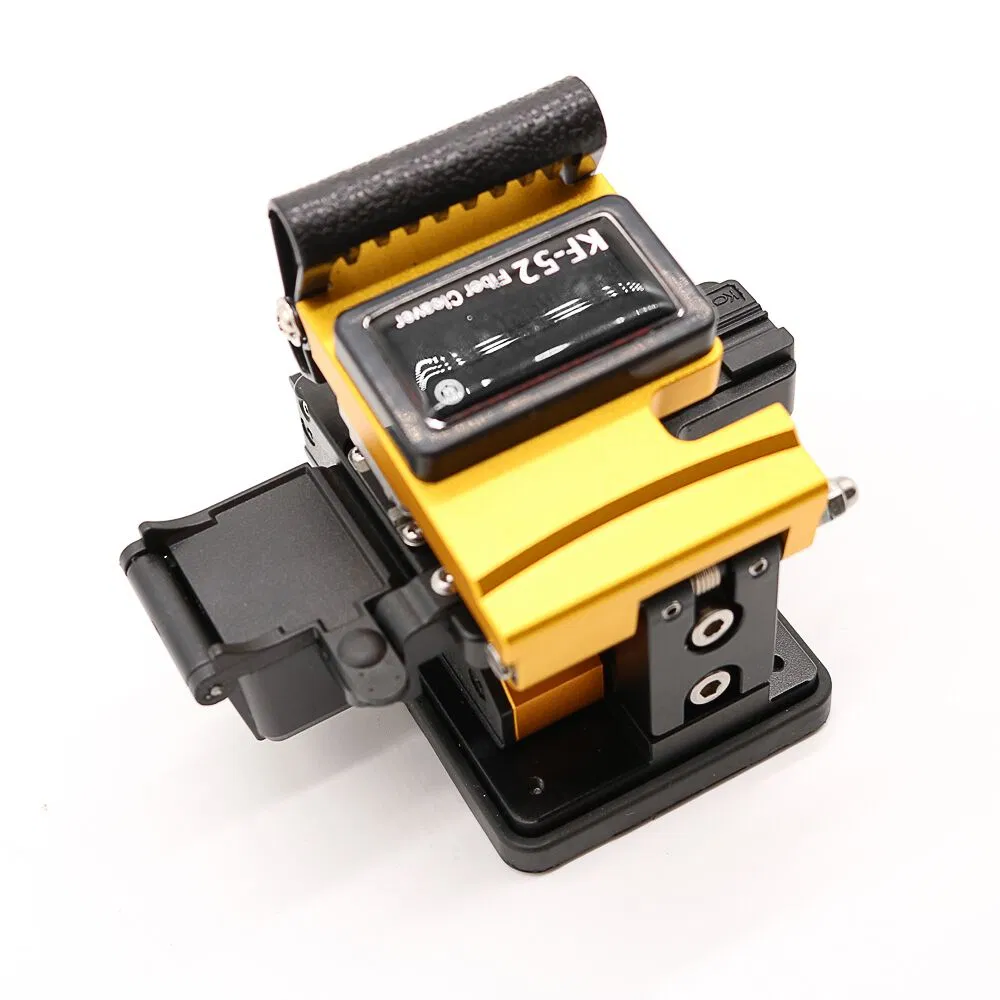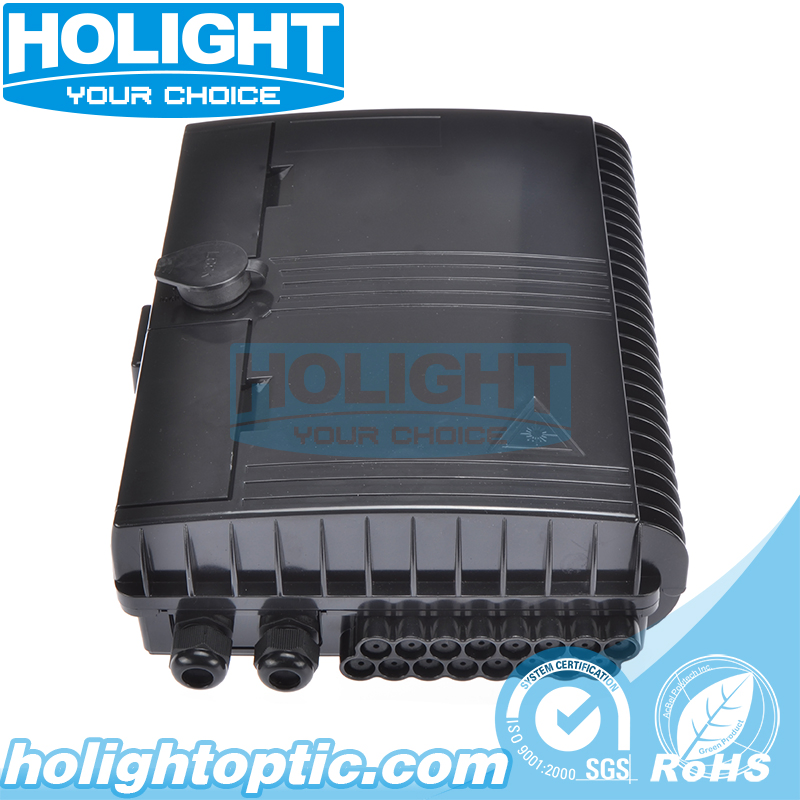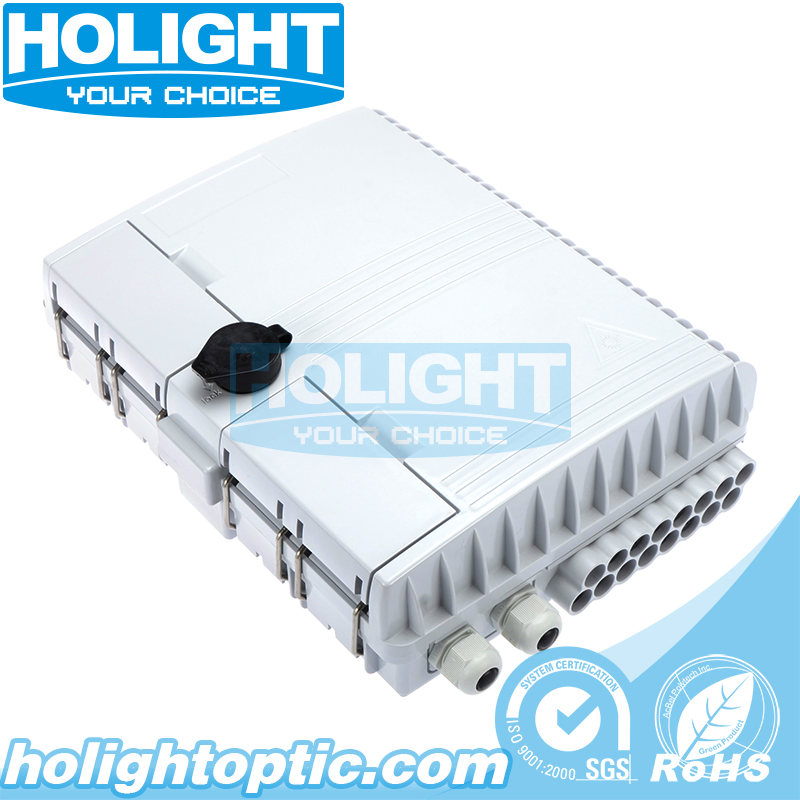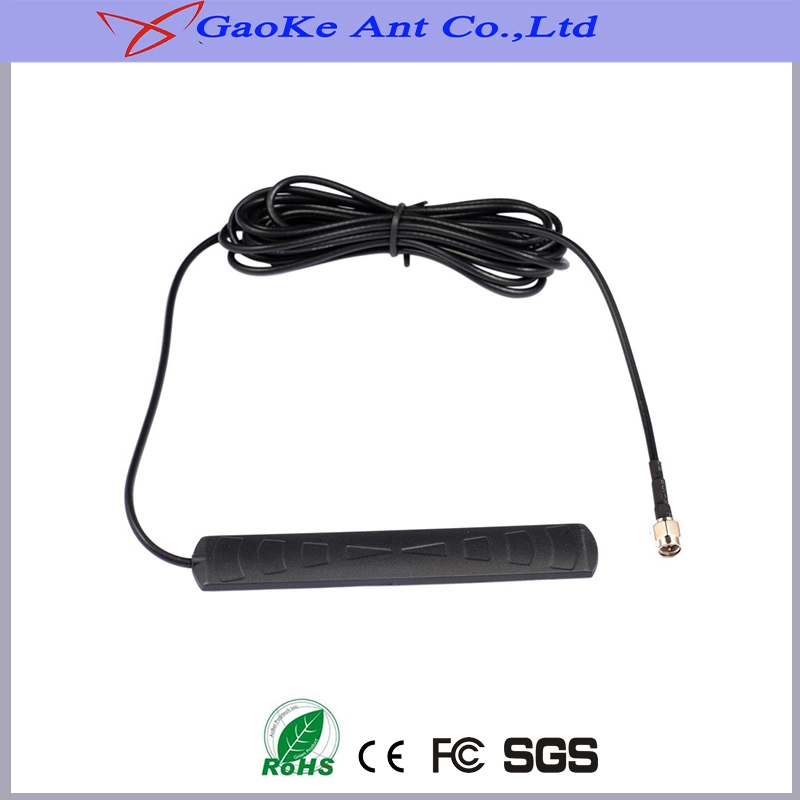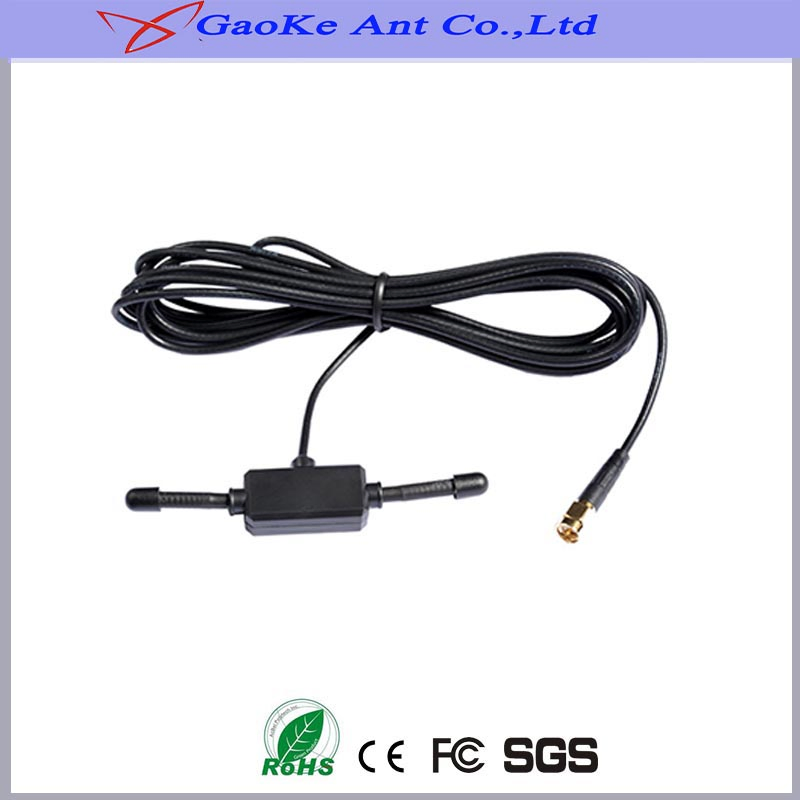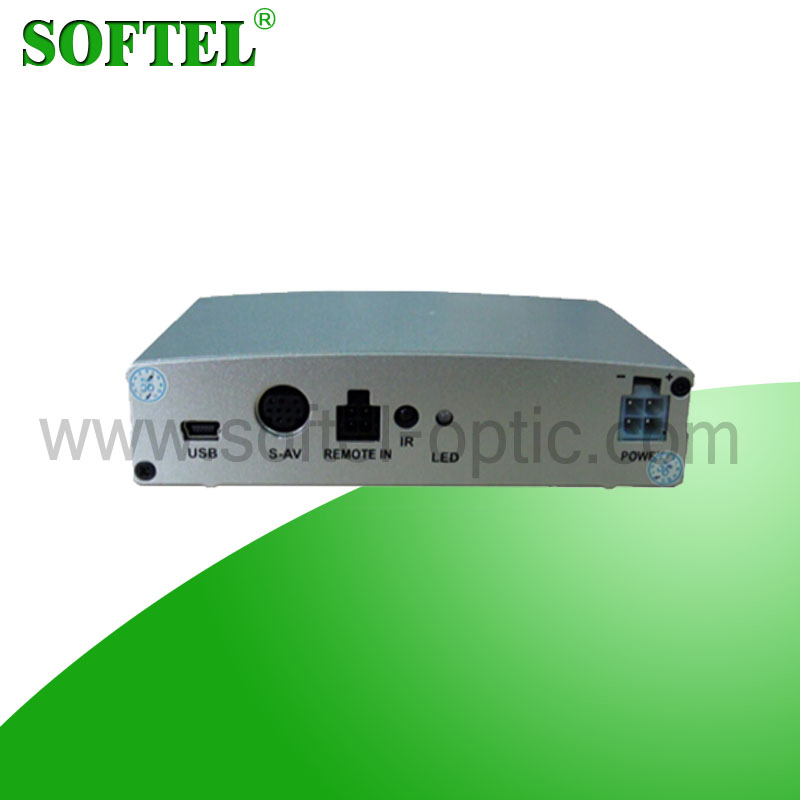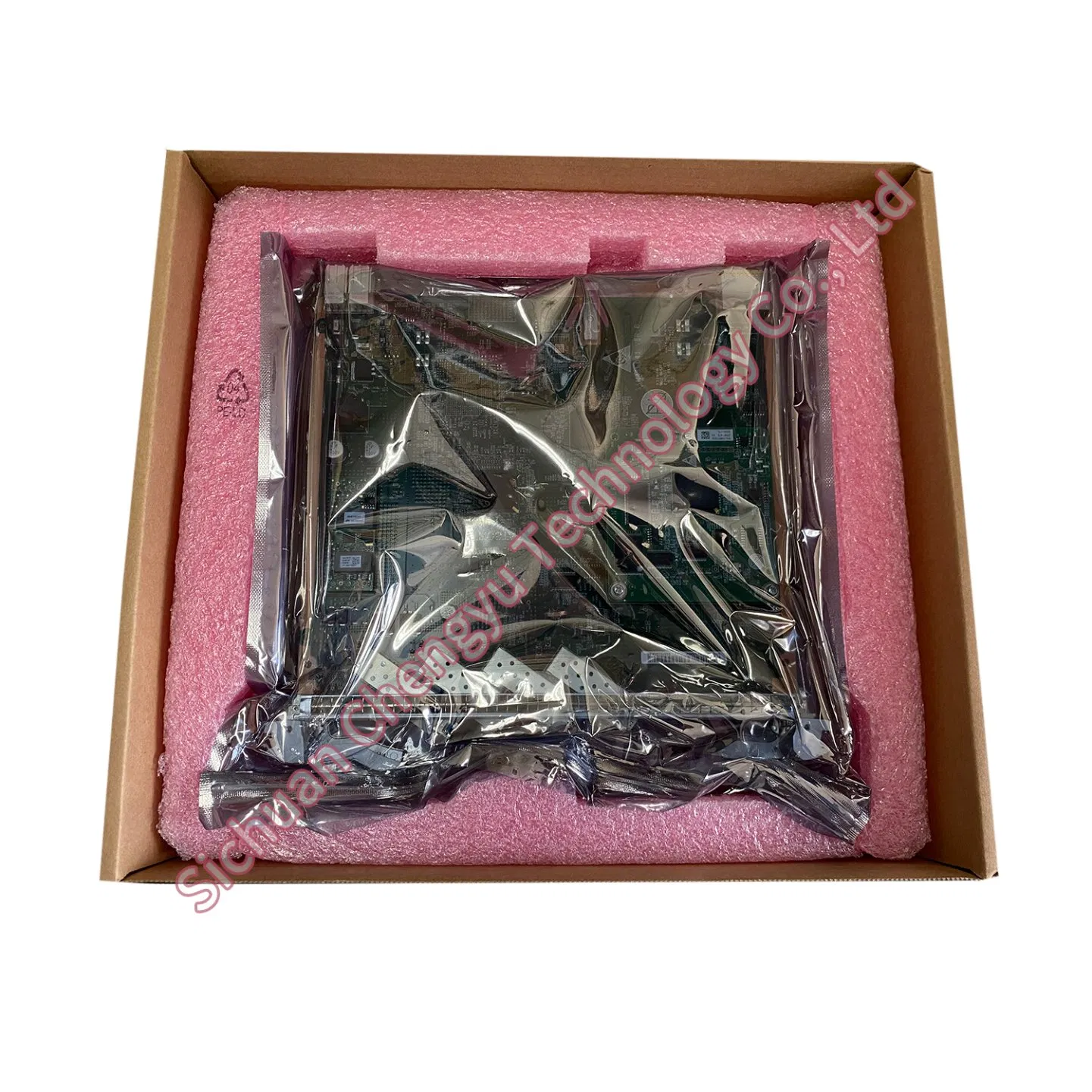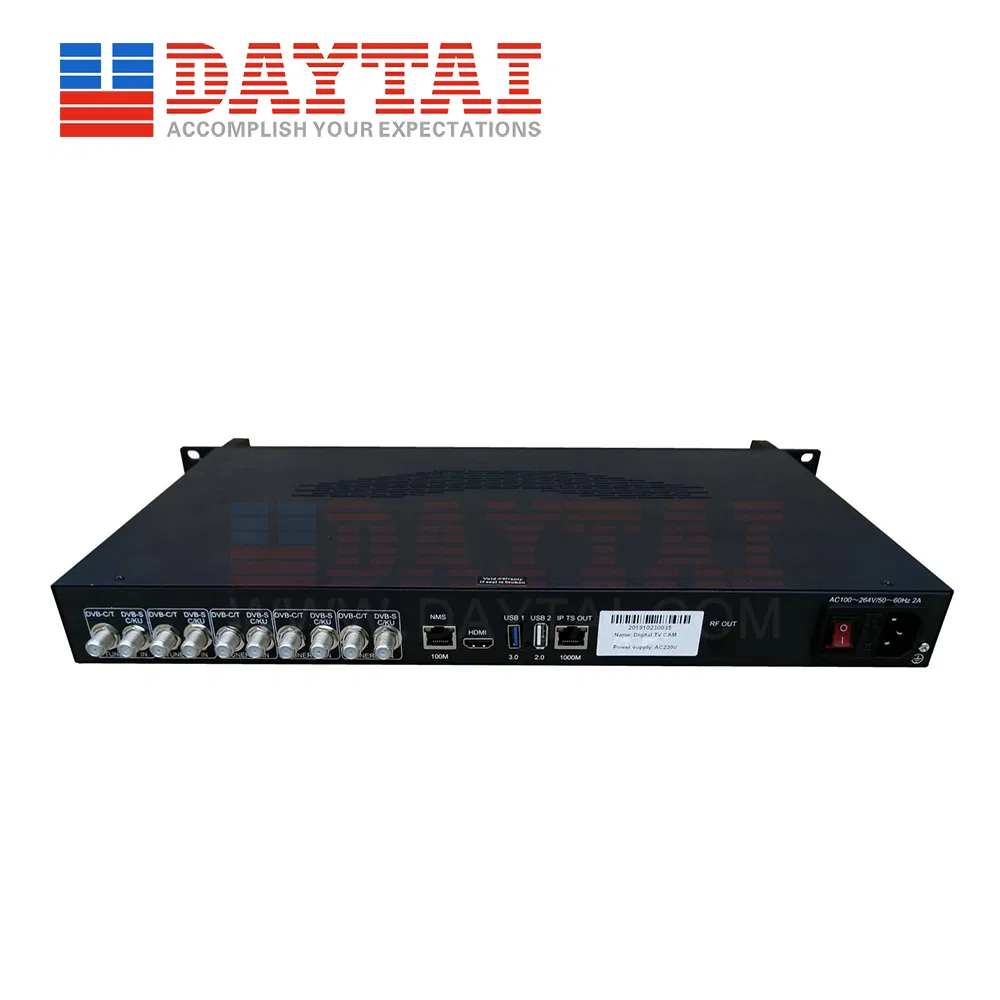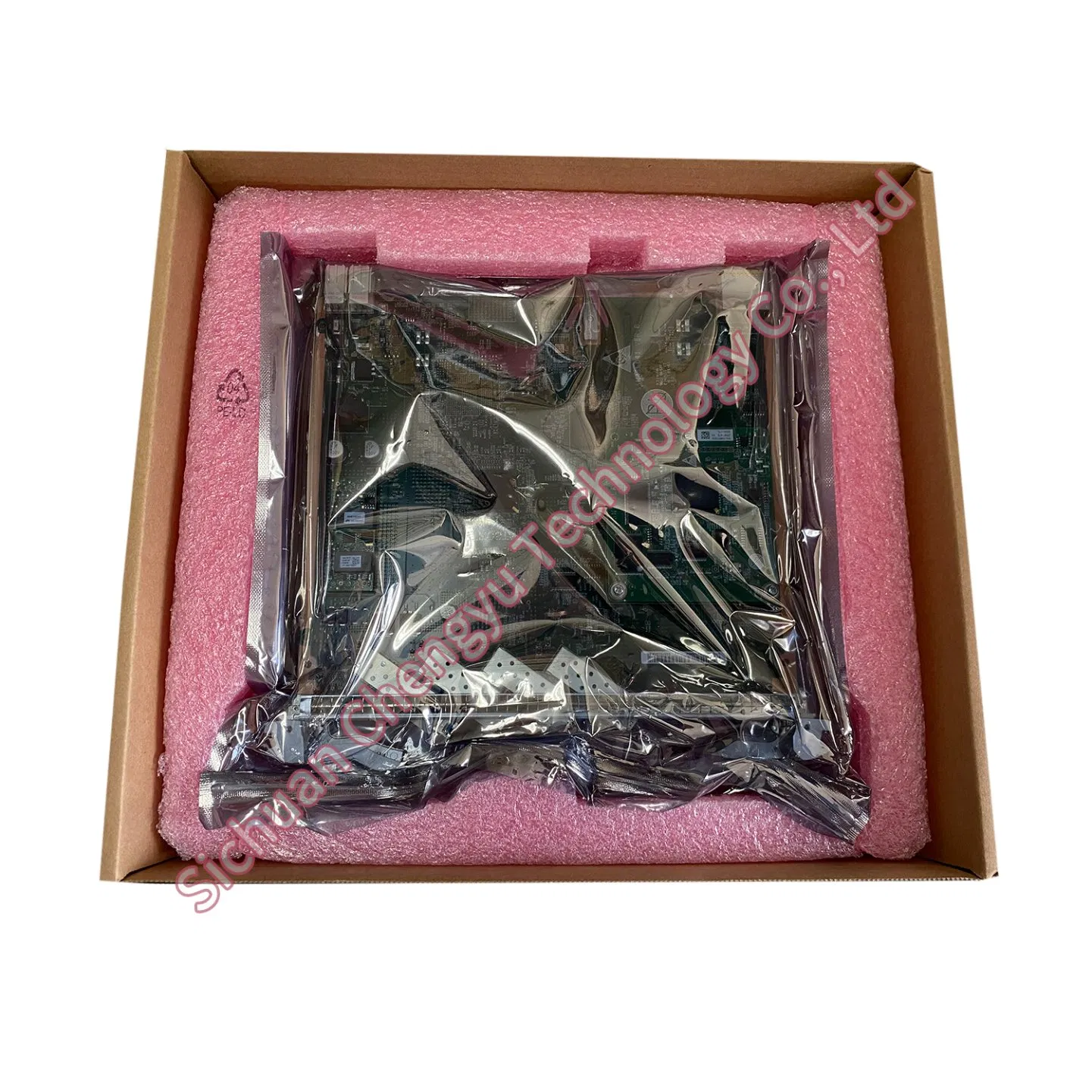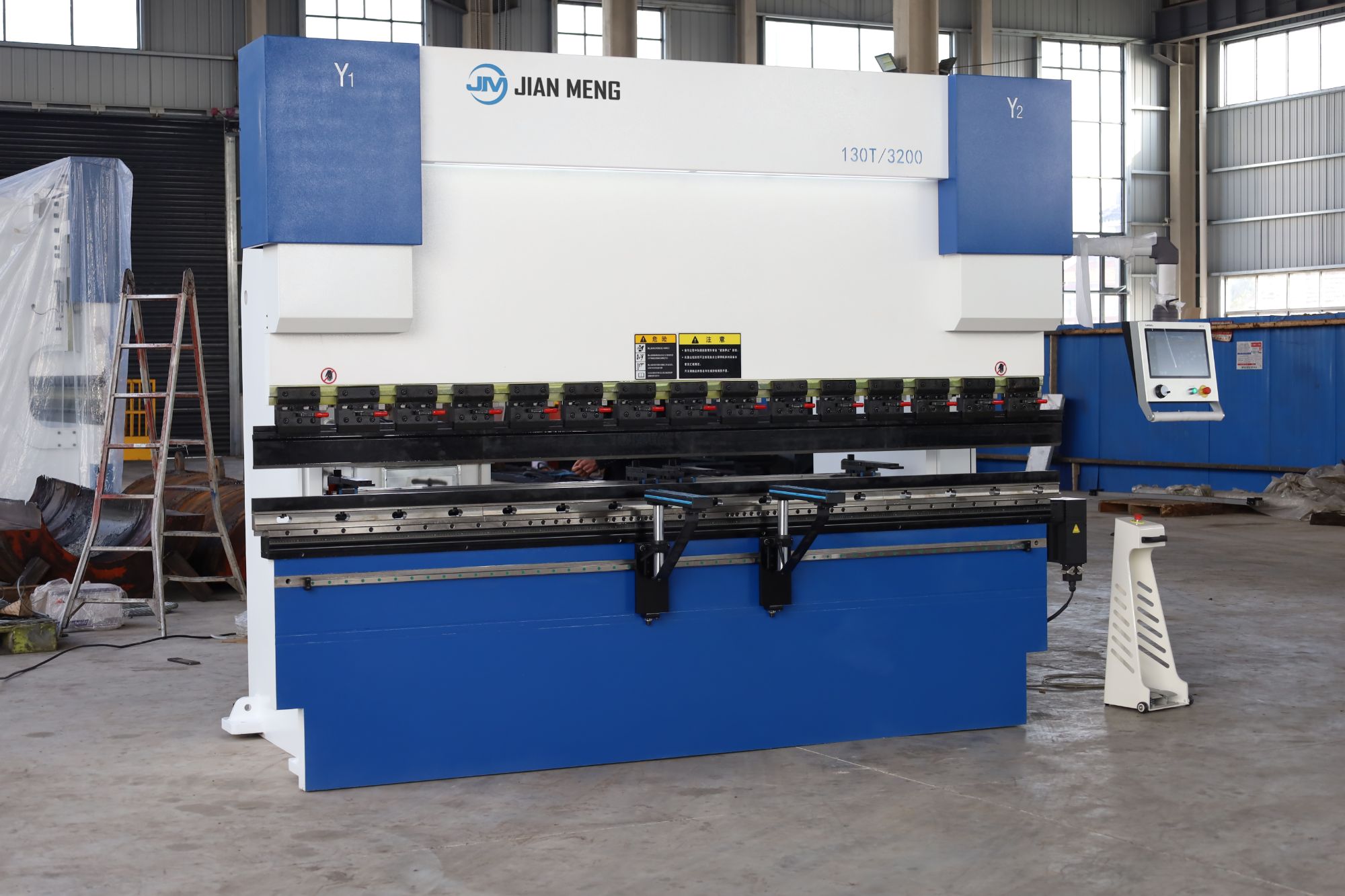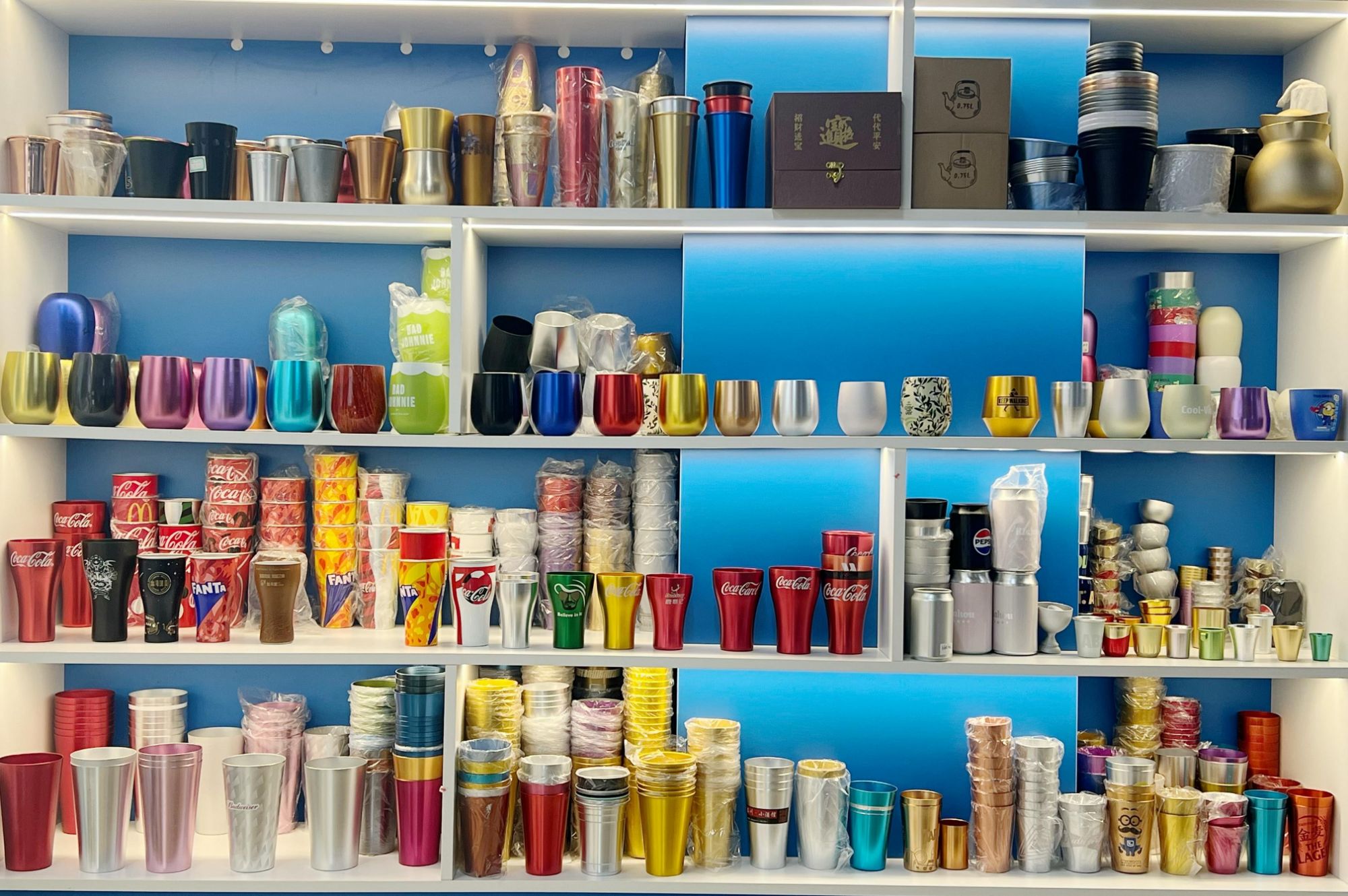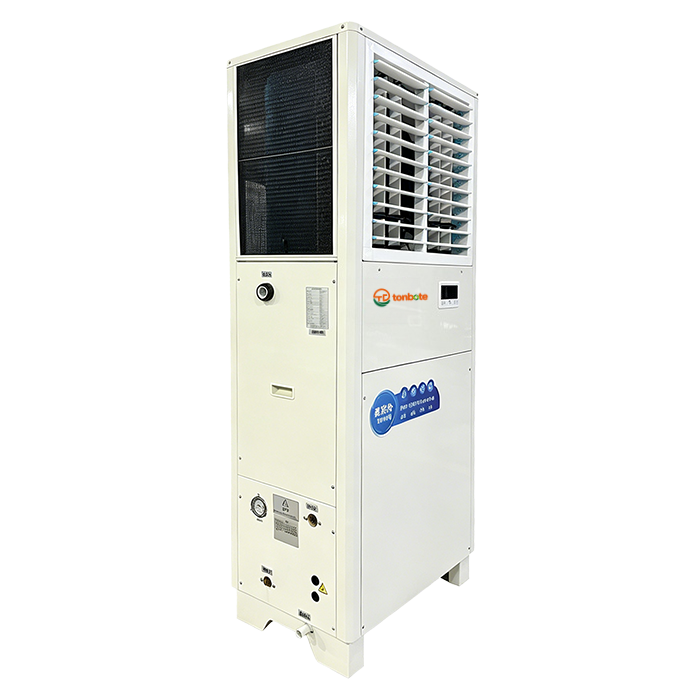
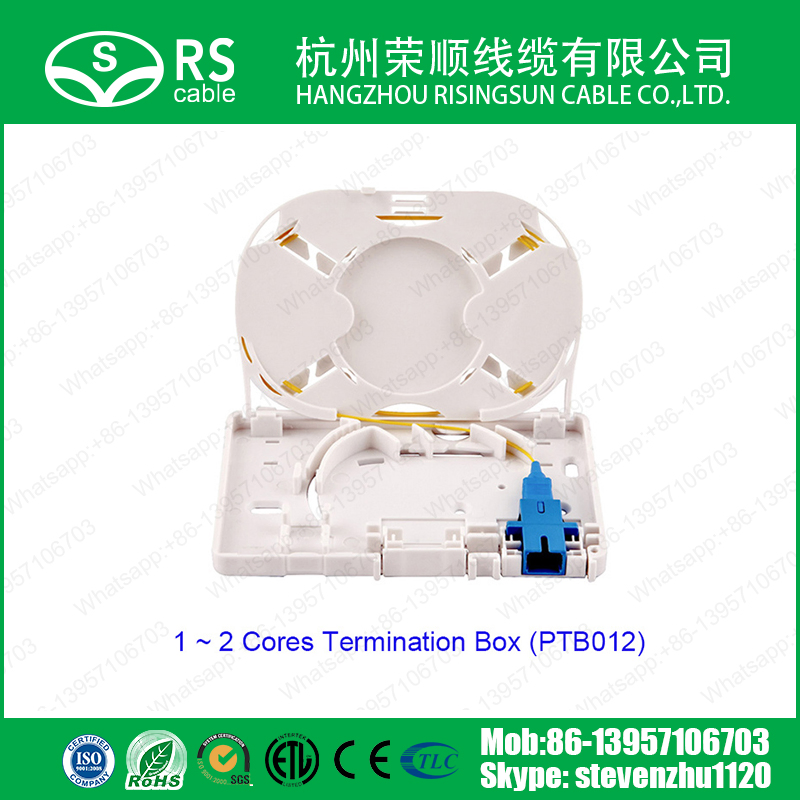
Shenzhen Telecom Broadcasting Manufacturing Co., Ltd. is a company specializing in the telecommunications, broadcasting, and manufacturing industries, headquartered in Shenzhen, China. Established in 1998, the company has rich experience and professional knowledge in the fields of telecommunications and broadcasting.

Every time a concentrated laundry pod dissolves, a complex supply chain has already made thousands of decisions about water, chemistry, and waste—many invisible and far from sustainable. This guide pulls back the curtain on manufacturers like LANJIEYA who are reworking those choices one by one: replacing petroleum-based films with bio-based alternatives, fine-tuning detergent blends to work effectively in cold water, and redesigning packaging to cut plastic without risking leakage or mess. These hidden choices determine not just cleaning power but the full environmental toll. It goes beyond surface-level claims to examine real trade-offs, such as balancing dissolvability with durability or sourcing materials that degrade without releasing harmful residues. The result is a clear-eyed look at production benchmarks that actually curb impact, from carbon footprints to aquatic toxicity. For anyone sourcing concentrated pods or tired of vague green marketing, here is where substance finally replaces slogans.
When mites strike a poultry flock, delays in treatment quickly translate into lost eggs, stressed birds, and thinner margins. Fluralaner has become a trusted weapon against these pests, yet sourcing a dependable supply that fits your brand can still be difficult. This article introduces a private label approach from Lucpets that removes the usual research and development hurdles. Instead of settling for off-the-shelf products, you can offer a Fluralaner solution with customized concentration, packaging, and ongoing support under your own name. The piece walks through practical advantages many producers overlook—from faster market entry to stronger customer loyalty—and explains how a tailored partnership can keep flocks mite-free while reinforcing your product line. If you want to move beyond generic treatments and build something that actually matches your market, the details here show what a focused private label strategy can deliver.
Sourcing woven bags at scale isn't simply a transaction—it's a judgment call that can stabilize or stall your entire operation. Quality, pricing, and lead times rarely align by accident, and pairing with the wrong vendor often means late shipments, inconsistent fabric weight, or costly rework. This guide cuts through the usual guesswork. You'll find a step-by-step approach to evaluating suppliers, from checking production capacity and material specs to negotiating terms that actually hold. Real examples show where buyers commonly go wrong and how to avoid those traps. The piece also profiles a manufacturer known for consistent durability and flexible customization, without pushing a one-size-fits-all solution. By the time you finish reading, you'll have a clear checklist for vetting candidates and a better sense of what separates dependable partners from short-term vendors. Whether you're buying for agriculture, construction, or retail packaging, the practical advice can save you weeks of real headaches.
Discover why Outdoor Digital Signage is essential for modern businesses. Learn about display brightness, weather protection, key features, applications, and selection tips with CCETOUCH.
Many footwear brands have felt the sting of a single weak eyelet that collapses a production batch. Still, the transformation from raw metal to a precise, reliable eyelet rarely gets attention outside the factory—Kingming is changing that by opening up the process. This guide walks through the real sequence: cutting, forming, plating, and inspection—so you can see where failures begin and how they are caught before shipping. More than a generic overview, it reveals the subtle process decisions that separate consistent suppliers from those that cut corners. If you have ever ordered hardware based on a sample photo and a hope, the following breakdown will help you specify components with clear-eyed confidence instead of guesswork. No jargon, no sales pitch—just the actual steps and checks that decide whether an eyelet performs under stress. For anyone responsible for sourcing, that kind of clarity is the difference between a weak link and a dependable product.
Micron-level accuracy rarely comes from luck. This piece unpacks the engineering behind die-cutting equipment built for packaging lines where drift and unplanned downtime chip away at margins. Instead of leaning on vague performance claims, it focuses on the choices that make complex cuts repeatable at high speed: how deep process insight shapes machine design, why exact specifications are treated as a baseline rather than a target, and where ordinary systems tend to fall short. Using ADEWO's approach as a reference, the article highlights practical differences in technology and design philosophy without slipping into sales talk. You'll see why some machines hold tolerances shift after shift while others fade, and how small design decisions translate into fewer stoppages and more consistent output. For anyone managing die-cutting operations, this is a grounded, useful read about keeping production predictable. No fluff, just the details that matter when tolerances are tight.
Powder handling problems often hide in plain sight, quietly eroding output through clogged flow, uneven batches, and needless spillage. This piece looks at how China powder storage silo systems, built with precision engineering and rugged heavy-duty cycles, turn that chaos into a smooth, predictable asset. A key focus is Fanchang Machinery, which pairs dependable construction with smart flow controls to keep materials moving without interruption. Rather than accepting average performance or wasting time on trial and error, plant managers can learn practical ways to slash downtime, improve batch consistency, and reshape overall industrial efficiency. The result is a straightforward, reliable upgrade that eliminates profit leaks and turns powder supply into a true production advantage.
Choosing an oil-injected compressor manufacturer isn’t just about horsepower and price—it’s about the partner you rely on when production stops. This article cuts through supplier claims and focuses on the real differentiators: air-end durability, energy efficiency under partial load, service response times, and the quality of technical support before and after installation. You’ll learn which questions expose a manufacturer’s true expertise, how to evaluate parts availability and maintenance costs, and why a strong local support network often matters more than flashy features. It also shows how Seize Air approaches these priorities by engineering systems around actual demand rather than one-size-fits-all packages. Whether you’re upgrading an existing compressor room or building a new facility, the guidance here helps you avoid extended downtime and inflated operating costs. It’s a straightforward resource for anyone who wants a reliable compressed air system without the usual guesswork.