
What Innovations in Light Guide Plate Technology Are Shaping the Future of Desktop Displays
2026-03-30
The evolution of desktop displays has been driven by an unsung hero: the Desktop Computer Light Guide Plate. This critical component determines how uniformly and efficiently light is distributed across an LCD screen, directly impacting visual clarity, energy consumption, and overall user experience. As display technology races toward higher brightness, thinner profiles, and superior color accuracy, manufacturers like Jinmingwei are pioneering advanced light guide plate (LGP) innovations that are redefining what professionals and enthusiasts can expect from their desktop monitors.
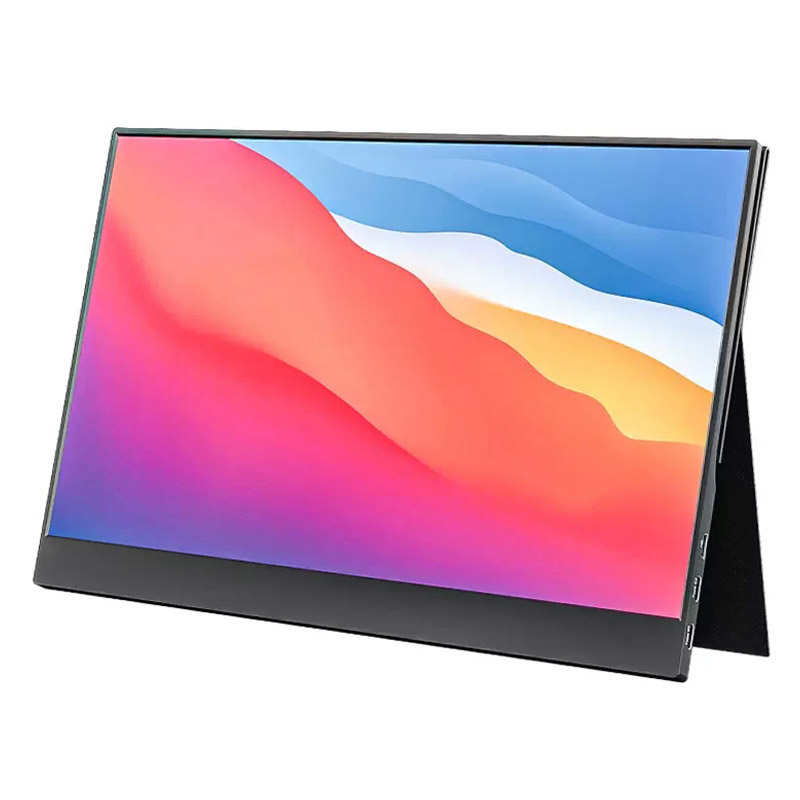
Key Innovations Transforming Light Guide Plate Technology
| Innovation | Application in Desktop Displays | Benefit |
|---|---|---|
| Micro-Optical Pattern Design | Precision-etched patterns using ultra-fine laser engraving | Eliminates hotspots, achieves >90% light uniformity |
| High-Transparency PMMA Substrates | Advanced acrylic formulations with reduced impurities | Increases brightness by 15-20% without additional LEDs |
| Edge-Lit to Direct Hybrid Systems | Combination of edge-lit efficiency with direct-lit local dimming | Enables ultra-thin bezels while maintaining HDR performance |
| Nano-Dispersion Coatings | Anti-yellowing and anti-static surface treatments | Extends lifespan by 30% and reduces dust accumulation |
| Recycled Optical-Grade Materials | Eco-friendly polymer blends with consistent refractive indices | Reduces carbon footprint without compromising optical quality |
These technological breakthroughs are not merely incremental improvements. They represent a fundamental shift in how light is manipulated at the microscopic level. Jinmingwei has invested heavily in proprietary micro-structure simulation software that predicts light propagation with near-perfect accuracy, allowing for custom-designed Desktop Computer Light Guide Plate solutions that match the exact optical requirements of each display model.
Why Precision Engineering Matters
In modern desktop displays, the light guide plate must balance three competing demands: thickness reduction, energy efficiency, and luminance consistency. Traditional LGPs often sacrificed one for another—thinner plates produced visible hotspots, while efficient designs required bulky backlight units. Today’s innovations solve this trilemma through advanced manufacturing techniques.
The integration of variable-density dot patterns represents a significant leap forward. Unlike conventional uniform patterns, variable-density designs use algorithms to adjust dot size and spacing based on distance from the light source. This ensures that areas farther from the LEDs receive proportionally more light, achieving uniform brightness across 27-inch and larger desktop panels. Jinmingwei has refined this approach with nanometer-level precision, setting new benchmarks for large-format desktop displays.
Desktop Computer Light Guide Plate FAQ
What is the typical lifespan of a high-quality Desktop Computer Light Guide Plate and how can I tell if it needs replacement?
A premium Desktop Computer Light Guide Plate manufactured with UV-stabilized optical-grade materials typically lasts 50,000 to 70,000 operating hours, which translates to 10–15 years of normal desktop usage. Signs that replacement may be necessary include visible yellowing around the edges of the screen, uneven brightness where certain areas appear dimmer than others, or the appearance of bright spots (hotspots) that remain visible even after adjusting brightness settings. In professional environments where color accuracy is critical, optical degradation can begin subtly; periodic calibration checks can reveal inconsistencies that point to LPG wear. Jinmingwei recommends inspection every 20,000 hours for displays used in graphic design, medical imaging, or video production applications.
How does the material composition of a Desktop Computer Light Guide Plate affect display performance and durability?
The material composition directly determines three core performance metrics: light transmission efficiency, thermal stability, and resistance to environmental degradation. Premium Desktop Computer Light Guide Plate units use optical-grade polymethyl methacrylate (PMMA) with a light transmission rate exceeding 92% and a refractive index precisely matched to the LED wavelength used in the backlight system. Lower-grade materials often incorporate recycled plastics with inconsistent molecular structures, leading to light scatter, reduced brightness, and accelerated yellowing under continuous operation. Additionally, materials with higher glass transition temperatures (above 105°C) resist warping in thermally constrained desktop chassis, maintaining optical alignment over extended periods. Jinmingwei exclusively utilizes certified virgin optical resins with full traceability from polymer synthesis to finished plate.
Can I upgrade my existing desktop monitor with a higher-quality Desktop Computer Light Guide Plate to improve brightness and uniformity?
Upgrading a Desktop Computer Light Guide Plate is technically possible but requires careful compatibility assessment. The light guide plate is engineered as an integral component of the display’s backlight unit, with its optical pattern, thickness, and edge geometry specifically calibrated to the housing, LED spacing, and diffuser stack of the original monitor design. Replacing it with a non-standard plate—even a higher-quality one—can result in optical mismatches such as edge bleeding, reduced peak brightness, or visible pattern artifacts. For professional users seeking improved display performance, Jinmingwei recommends consulting with technical specialists who can either supply a custom-engineered replacement designed for the specific monitor model or advise on full display solutions that incorporate the latest LGP innovations. Retrofitting is most viable for commercial-grade displays with modular backlight architectures.
The Road Ahead
The next frontier in light guide plate technology lies in dynamic optical control—LGPs that actively adjust light distribution based on displayed content. Early prototypes combine liquid crystal layers with conventional light guide structures, enabling per-zone luminance modulation without increasing LED count. This innovation promises desktop displays with true black levels approaching OLED, combined with the brightness and burn-in resistance that LCD technology offers.
Jinmingwei is at the forefront of this development, with research initiatives focused on integrating micro-LED arrays directly into light guide substrates. This hybrid approach could eliminate the traditional separation between light source and light guide, enabling unprecedented thinness and energy efficiency.
Contact Us
Ready to explore how next-generation light guide plate technology can elevate your desktop display products? Whether you are an OEM manufacturer seeking custom optical solutions or a professional evaluating high-performance display upgrades, the engineering team at Jinmingwei is here to help. Contact us today to discuss your specific requirements and discover why industry leaders trust Jinmingwei for precision optical components that set new standards in visual performance.