
What Are The Typical Power Requirements For Operating A Bar Type TFT Module
2026-02-10
When integrating a display into your embedded system or industrial panel, understanding its power needs is crucial for reliable and stable operation. For designers and engineers, the Bar Type TFT Module presents a unique form factor ideal for status panels, dashboards, and control systems. Ensuring proper power delivery is the first step toward optimal performance. At Victronix, we specialize in providing high-quality display solutions and the technical expertise to help you power them efficiently. This blog breaks down the typical power requirements for these specialized modules.
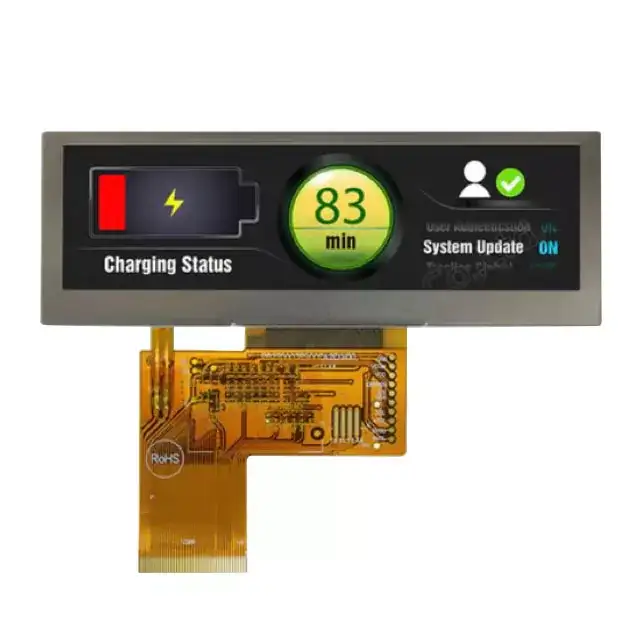
A Bar Type TFT Module typically requires a stable DC power supply. The core specifications generally revolve around three key parameters:
-
Operating Voltage: Most industrial-grade modules operate on a standard low-voltage DC input.
-
Current Consumption: This varies significantly based on screen size, backlight brightness, and content displayed.
-
Power Sequencing: Proper timing between core logic power and interface power is often critical for longevity.
The following table outlines the typical power profile for a standard 5.6-inch Bar Type TFT Module from Victronix:
| Parameter | Typical Value | Notes |
|---|---|---|
| Supply Voltage (VCC) | +3.3V DC or +5.0V DC | Must be regulated and stable; ±5% tolerance is common. |
| Typical Operating Current | 250 mA ~ 450 mA | Depends heavily on backlight LED intensity. |
| Backlight Current | 150 mA ~ 300 mA | Often the largest power draw; adjustable via PWM. |
| Peak Power Consumption | ~2.25 Watts | Calculated at 5V, 450mA. Essential for PSU sizing. |
Bar Type TFT Module FAQ
Q: Can I power the Bar Type TFT Module directly from a microcontroller's GPIO pin?
A: Absolutely not. The current draw of a TFT module, especially its backlight, far exceeds the capacity of a standard MCU pin (usually 20-50mA). Always use a dedicated, regulated power supply capable of delivering the required current as per the datasheet.
Q: What happens if the supply voltage is unstable or noisy?
A: Unstable voltage can lead to a range of issues, from temporary display flickering and color distortion to permanent damage of the module's driver IC. It is highly recommended to use a quality LDO or switching regulator with sufficient filtering capacitors near the module's power pins.
Q: Why is power sequencing important for some Bar Type TFT Modules?
A: Specific modules have sensitive internal ICs that require the core logic to be powered before the I/O interfaces (or vice-versa) to prevent latch-up or electrostatic damage. Always consult the manufacturer's datasheet. Victronix provides detailed application notes with every module to guide you through this process.
In summary, successfully integrating a Bar Type TFT Module hinges on providing clean, stable, and adequately rated power. Overlooking these requirements can compromise performance and reliability. For projects where precision and durability are non-negotiable, partnering with an expert is key.
Ready to select the perfect Bar Type TFT Module for your application with confidence? Contact the display specialists at Victronix today. Our engineering team is ready to provide detailed datasheets, custom power guidance, and support to ensure your next project is brilliantly powered.