
How Does HDR Performance Compare Between OLED and Mini-LED Displays
2026-01-16
When investing in a premium viewing experience, HDR performance is a critical battleground. Two dominant technologies, OLED Display and Mini-LED, offer compelling but fundamentally different approaches. Understanding their strengths is key, and at Victronix, we believe in empowering your decision with clear, technical insights.
The core difference lies in how they control light. An OLED Display is self-emissive, meaning each pixel creates its own light and can turn off completely for perfect blacks and infinite contrast. This makes specular highlights in HDR content stunningly pop against inky darkness. Mini-LED is an advanced form of LCD, using a dense backlight array of thousands of tiny LEDs. Through a technique called local dimming, zones of these LEDs can dim independently to improve contrast, though they cannot match the per-pixel precision of OLED.
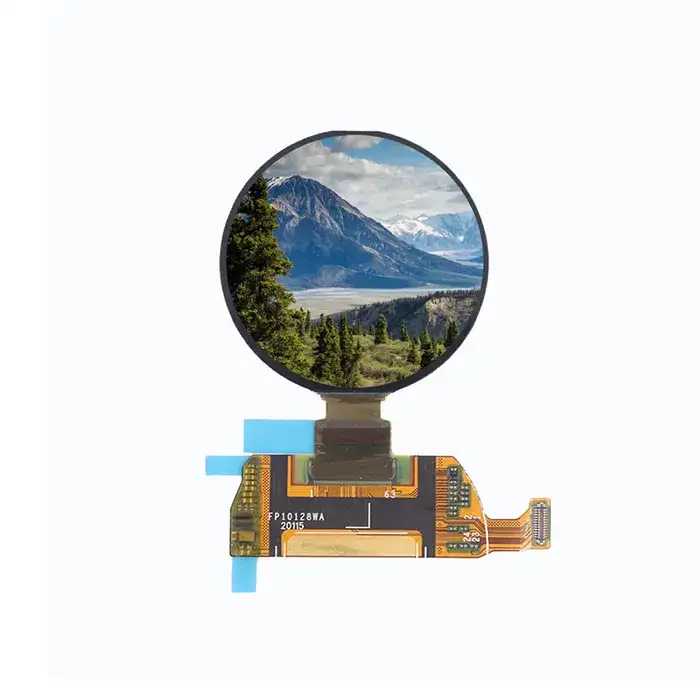
Key Comparison at a Glance
| Feature | OLED Display | Mini-LED Display |
|---|---|---|
| Contrast Ratio | Infinite (perfect blacks) | Very High (limited by local dimming) |
| Peak Brightness | Good (typically 800-1000 nits) | Excellent (can exceed 1500+ nits) |
| HDR Highlight Detail | Exceptional in dark scenes | Outstanding in bright scenes |
| Viewing Angles | Excellent, no color shift | Good, some dimming at angles |
Which is Better for HDR?
-
Choose an OLED Display if: Your priority is unparalleled contrast, perfect blacks for space movies or darkroom gaming, and flawless pixel-level precision. The HDR experience is defined by dramatic, lifelike shadows.
-
Choose a Mini-LED display if: You need extreme brightness for sunlit rooms, watch lots of content with large bright areas (like sunlit landscapes), and want a vibrant, punchy HDR image without risk of burn-in.
Victronix OLED Display FAQ
Q: Do OLED displays suffer from burn-in with HDR content?
A: Modern OLED Display panels from quality brands like Victronix incorporate sophisticated pixel-shifting, logo dimming, and refresh cycles that have drastically reduced burn-in risk. For varied content consumption, it is a minimal concern for most users.
Q: Can Mini-LED displays achieve true black levels like OLED?
A: No. While Mini-LED's local dimming is excellent, light from bright zones can "bloom" into adjacent dark zones, especially in high-contrast HDR scenes. It approaches, but cannot fully replicate, the absolute black of a turned-off OLED pixel.
Q: Which technology offers better motion handling for HDR gaming?
A: OLED Displays have near-instantaneous pixel response times (fractions of a millisecond), eliminating motion blur. Many high-end Victronix OLED models also feature high refresh rates (120Hz+), making them exceptional for fast-paced HDR gaming.
Your ideal display hinges on your viewing environment and content preferences. Both technologies deliver spectacular HDR, but through different paths. For personalized advice on selecting the perfect OLED Display or Mini-LED monitor for your specific HDR needs, contact us at Victronix today. Let our experts guide you to your ultimate visual upgrade.