
PCB Assembly Company: Choosing the Right Partner for Your Electronics Manufacturing Needs
2026-06-12
Every electronics project hinges on one critical decision: who will assemble your PCBs? A reliable PCB assembly partner doesn't just place components—they safeguard your timeline, quality, and innovation. This is where TPS redefines the standard, blending precision engineering with a deep understanding of your manufacturing challenges. Whether you're scaling a prototype or launching a high-volume product, the right choice can make or break your success. Let's explore what truly matters when selecting an assembly partner, and why industry leaders are turning to TPS for a competitive edge.
Testing Technical Mettle Beyond Paper Claims
Resumes and certs can paint a pretty picture, but they rarely tell you how someone thinks on their feet. I’ve seen candidates with flawless credentials stumble over a simple debugging task that any seasoned tinkerer would breeze through. It’s in those unscripted moments—when the documentation is sparse and the stack trace is a mess—that genuine technical depth surfaces.
That’s why we lean into messy, open-ended challenges. Not the kind you can memorize from a bootcamp, but problems that force you to weigh trade-offs, wrangle vague requirements, and actually ship something that works. Watching someone navigate a half-broken legacy system or prototype a feature under a tight clock reveals far more than a list of buzzwords ever could.
The real differentiator is grit and adaptability. You want someone who’ll dig into a library’s source code when the docs fall short, or refactor a gnarly block of logic instead of slapping on a band-aid. Those habits don’t show up on paper—they show up when you’re in the trenches together, building something that matters.
Quality Beyond Checkboxes: What Real Certifications Mean
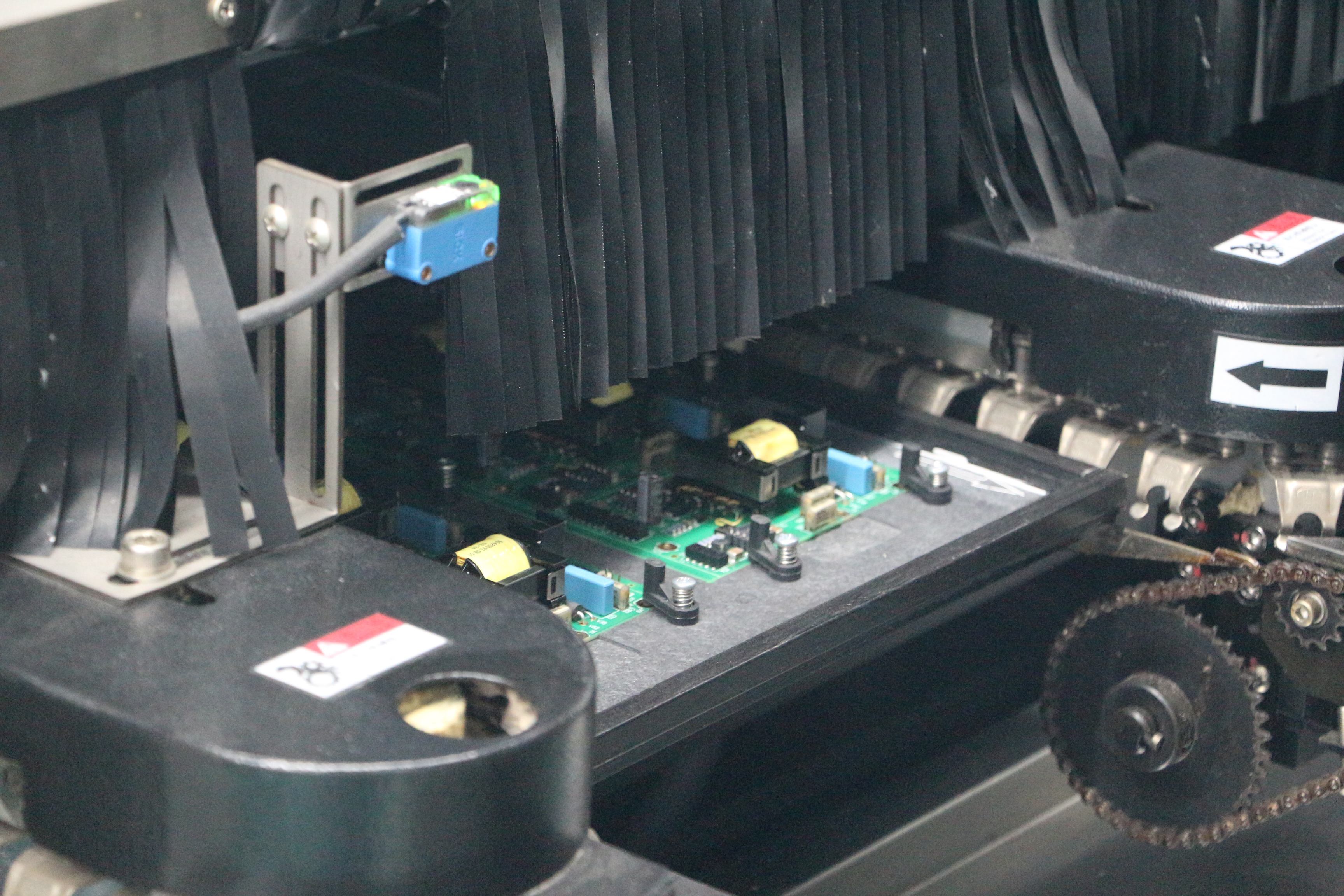
A genuine certification isn’t a piece of paper you frame and forget—it’s a reflection of consistent, rigorous standards that a company actually lives by. Too many organizations treat audits like a last-minute exam, cramming to check boxes just before an assessor walks through the door. Real certification means that quality is embedded in daily operations, not staged for a snapshot. It’s about processes that are measured, improved, and owned by every team, not just the compliance department.
When a certification is earned the right way, it reshapes how decisions are made. Instead of reacting to problems after they surface, teams begin to anticipate risks and design them out of workflows. This shift isn’t driven by a manual—it comes from a cultural commitment to doing things better, even when no one is watching. Certifications then become a natural outcome of that discipline, not the primary goal.
What sets meaningful certifications apart is their staying power during pressure. When deadlines tighten and resources are stretched, the systems that hold up are those built on real capability, not shortcuts. Customers and partners can sense that difference—they’re not just buying a promise; they’re trusting a proven track record. That’s the quiet strength of a certification that goes beyond the checkbox.
Navigating Global Component Shortages Together
We've all felt the sting of empty shelves and delayed shipments—no supply chain is immune. But scarcity isn't just a logistics puzzle; it rewrites product timelines and forces tough choices. One team I worked with started meeting weekly with their top three suppliers, not to push for faster delivery, but to jointly forecast demand shifts. That openness flipped the dynamic from transactional to collaborative, and lead times actually stabilized.
Dual-sourcing no longer feels like a luxury—it's a survival move. Yet simply adding a backup vendor isn't enough. The real trick is designing for interchangeability upfront, so your PCB doesn't get stuck waiting on that one niche IC. I’ve seen engineers bend over backwards, redesigning around components that could realistically be sourced in six weeks instead of fifty. It’s a grind, but it builds resilience into the product itself.
What often gets overlooked is the human layer. Panic buying sends ripples through the entire ecosystem. By cushioning your own inventory with modest safety stock and sharing that status with key partners, you avoid adding fuel to the fire. No one company can fix global shortages, but when we stop treating suppliers like order-takers and start acting like allies, the whole chain breathes easier.
Unmasking Hidden Costs in Your Assembly Quote
Assembly quotes often look straightforward on the surface—a tidy sum that covers parts, labor, and maybe a few extras. But tucked behind the main numbers are small, often overlooked line items that can quietly inflate the final invoice. Things like fixture design, programming time for automated equipment, or even the cost of consumables like adhesives and soldering materials rarely get the spotlight during initial discussions. These aren't mistakes; they're just pieces of the process that don't always make it into the first draft.
Then there's the matter of testing and quality checks. A quote might mention "assembly," but it may not include functional testing, environmental stress screening, or the rework that follows when something doesn't pass. If you assume those steps are baked in, you could be in for a surprise. Another sneaky contributor is minimum order quantities for components—vendors sometimes tack on fees when you don't hit a threshold, and those get passed along without much fanfare. Even packaging and shipping preparation can show up as separate charges if the quote isn't itemized clearly.
To avoid these pitfalls, it helps to go through the quote with a fine-toothed comb and ask point-blank what's not covered. A good practice is to request a full breakdown that separates non-recurring engineering costs from per-unit pricing, and to clarify whether items like first-article inspection reports or ongoing maintenance fall under the quoted amount. The goal isn't to squeeze every cent out of the supplier, but to make sure there are no mismatched expectations when the work is done.
The Human Side of Manufacturing: Communication and Support
On any factory floor, the hum of machines tells only part of the story. Beneath the surface lies a current of human connection—operators trading quick smiles at shift change, a supervisor stopping to ask about someone’s ailing parent. These moments aren’t distractions from productivity; they’re its scaffolding. When people feel seen, they calibrate machinery not just with their hands but with presence.
Communication in manufacturing often gets reduced to work orders and metrics, yet the most vital exchanges happen informally. A maintenance tech noticing a slight tremor in a coworker’s voice and pausing to listen—that’s preventative maintenance of a different kind. Support isn’t always about grand gestures; it’s the shift lead who remembers you prefer the left-side workstation because of an old shoulder injury, or the team huddle where silence is allowed to speak louder than words. When we stop treating the assembly line as purely mechanical, we unlock a collaborative intelligence no algorithm can replicate.
Real support structures aren’t built from corporate wellness posters. They’re the peer who teaches you a way to lift that spares your back, the manager who fights for a schedule change so you can care for your kid. In environments where speaking up doesn’t feel like a risk, mistakes become lessons learned together, not blame cycles. That psychological safety doesn’t soften the bottom line—it hardens it through trust, retention, and the quiet pride of building something among people who have your back.
Building for Tomorrow: Scalability and Innovation in PCB Assembly
The core of future-ready PCB assembly lies in building processes that expand without friction. Traditional fixed lines often buckle under fluctuating demand, but a scalable model—using modular workcells, adaptive conveyance, and cloud-connected equipment—lets manufacturers ramp output or retool in days instead of weeks. This flexibility hinges on standardised data interfaces and plug-and-play hardware, which turn gradual throughput upgrades into a routine exercise rather than a capital-intensive overhaul.
Innovation in this space is morphing from lone breakthroughs into a continuous, feedback-driven loop. Real-time inspection systems that pair high-speed cameras with edge-based AI can now spot micro-solder defects that even veteran technicians would miss, while correcting process parameters on the fly. Meanwhile, mixed-technology panels—combining rigid, flex, and even embedded components—push the boundaries of density without sacrificing yield, thanks to precision dispensers and laser-based reflow profiling that adapt moment by moment.
What truly sets forward-looking assemblers apart is their ability to merge scalability with innovation in daily operations. Instead of treating changeovers as disruptions, they use digital twins to simulate line reconfigurations offline, then deploy validated recipes instantly. Component shortages are met by dynamic feeder mapping across machines, and traceability is baked in at every stage—not for compliance alone, but to feed data back into design-for-manufacture guidelines that make the next product generation inherently easier to build at volume.
FAQ
Focus on their experience with your specific board type—rigid, flex, or HDI—and check if they handle the component pitches and packages you use. Ask about their inspection methods, like AOI or X-ray, and whether they offer design-for-manufacturing feedback. A quick tour of their floor can reveal equipment quality and cleanliness better than any brochure.
Request their certifications—ISO 9001 is table stakes, but IPC-A-610 and J-STD-001 show deeper commitment. Ask for defect rate data and hold them to a transparent corrective action process. A partner that openly discusses past failures and how they fixed them is often more trustworthy than one that claims perfection.
It depends on your priorities. Local shops simplify logistics, speed up prototyping, and let you visit easily, which matters when you’re iterating. Offshore can cut costs on labor-intensive builds, but factor in time zones, shipping risks, and communication barriers. Many companies now use a hybrid model—prototype nearby, produce at scale where it makes financial sense.
Ask how they handle component shortages or last-minute BOM changes. A solid partner has vetted secondary sources, avoids the gray market, and can provide traceability back to the manufacturer. Check if they stock common parts for you or use consignment easily. Their response will tell you if they’ll be a bottleneck when demand spikes.
Small shops often give you more attention and flexibility in the beginning. But probe their capacity planning—do they have a clear path to add lines or shifts? Ask for examples of clients they've scaled with. A larger partner might offer more resources upfront but could deprioritize your projects if you’re not a top customer.
Crucial. Your design files and BOM are your assets. Ask about data handling policies, employee NDAs, and physical security. For sensitive projects, check if they can segregate your build area. A trustworthy partner won’t hesitate to sign your NDA and will have their own robust framework without you having to push.
For a standard PCB assembly with all parts on hand, expect samples in 1–3 weeks. Delays often come from missing footprint data, unclear polarity markings, or last-minute component substitutions. Send your documentation pack—BOM, Gerbers, pick-and-place file, and assembly drawing—as clean as possible. If they push back with questions early, that’s a good sign they’re paying attention.
Conclusion
Finding the right PCB assembly partner goes far beyond comparing quotes or scanning a list of capabilities. A genuine technical partner proves their expertise in your first conversations—questioning your design for manufacturability, suggesting component alternatives, and sharing real cases where they solved problems similar to yours. That depth of knowledge can't be faked with a glossy brochure. It shows up when they push back on a layout that will cause soldering defects or offer a clever workaround for an end-of-life part, saving you weeks of redesign. Real certifications like ISO 13485 or AS9100 matter not because of the logos, but because they reflect a disciplined culture where traceability, process control, and continuous improvement are non-negotiable. When auditors dig deep and the shop floor consistently operates at that level, your high-reliability medical or aerospace boards are in safer hands.
Beyond technical chops, a true partner stands by your side when global shortages hit. Instead of just reporting a lead time blowout, they proactively tap into their vetted broker networks, propose pin-compatible replacements, and adjust procurement strategies without you having to chase updates. Transparency in quoting is another hallmark: the best assemblers walk you through tooling fees, test fixture costs, and potential yield issues upfront, so there are no surprises after production starts. On the human side, direct access to a responsive engineering or project management contact—someone who treats your urgency as their own—can make or break a launch. Finally, look for a partner scaling with you: investing in automation, new processes like micro-BGA assembly, and flexible capacity planning. The right choice today means you’re building a supply chain that will support your next product generation, not just the current one.
Contact Us
Contact Person: Lily
Email: [email protected]
Tel/WhatsApp: +49 (0) 2161 49526-0
Website: https://tps-elektronik.com/en/