
Fluralaner Poultry Solution: Private Label Solutions for Effective Mite Control
2026-10-12
When mite infestations hit your poultry flock, every day of delayed treatment costs you in egg production, bird stress, and farm profitability. Fluralaner has emerged as a game-changer in effective mite control, but finding a reliable, customizable supply can be a challenge. At Lucpets, we specialize in private label Fluralaner solutions that let you offer proven mite protection under your own brand—without the R&D burden. What makes our approach different? It’s not just about the active ingredient; it’s about tailoring concentration, packaging, and support to fit your market. Curious how a private label partnership could strengthen your product line and keep your customers’ flocks mite-free? Read on to discover the practical advantages you might be missing.
Fluralaner Formulations That Outlast Mite Infestations
The reason fluralaner outlasts most mite infestations lies in its pharmacokinetic profile. After a single oral or topical dose, the compound binds reversibly to plasma proteins and redistributes slowly from tissues, keeping drug levels above the mite-killing threshold for several weeks to a few months depending on the formulation. That window is much longer than the 2 to 3 week life cycle of common mange or ear mites, so the drug continues to kill newly hatched parasites before they can mature and reproduce.
Older treatments often fail because they require the owner to apply or give the product every few days, and missing a dose allows the mite population to rebound. Fluralaner formulations are built around a different idea: one administration should do the whole job. Chewable tablets and spot-on products both use the molecule's long half-life to maintain a protective level in the skin and bloodstream, which means an active infestation can be cleared and the animal kept mite-free for at least a month after a single visit.
This extended action changes how reinfestation is managed. Instead of waiting for signs to reappear and then treating again, the residual fluralaner concentration remains high enough to kill adult mites that jump onto the host later. In many cases, animals have stayed free of mites through entire seasons of high exposure after just one dose. The practical advantage is not just convenience; it is that the treatment's protective horizon exceeds the parasite's ability to reestablish itself.
Put Your Brand on Proven Poultry Mite Control
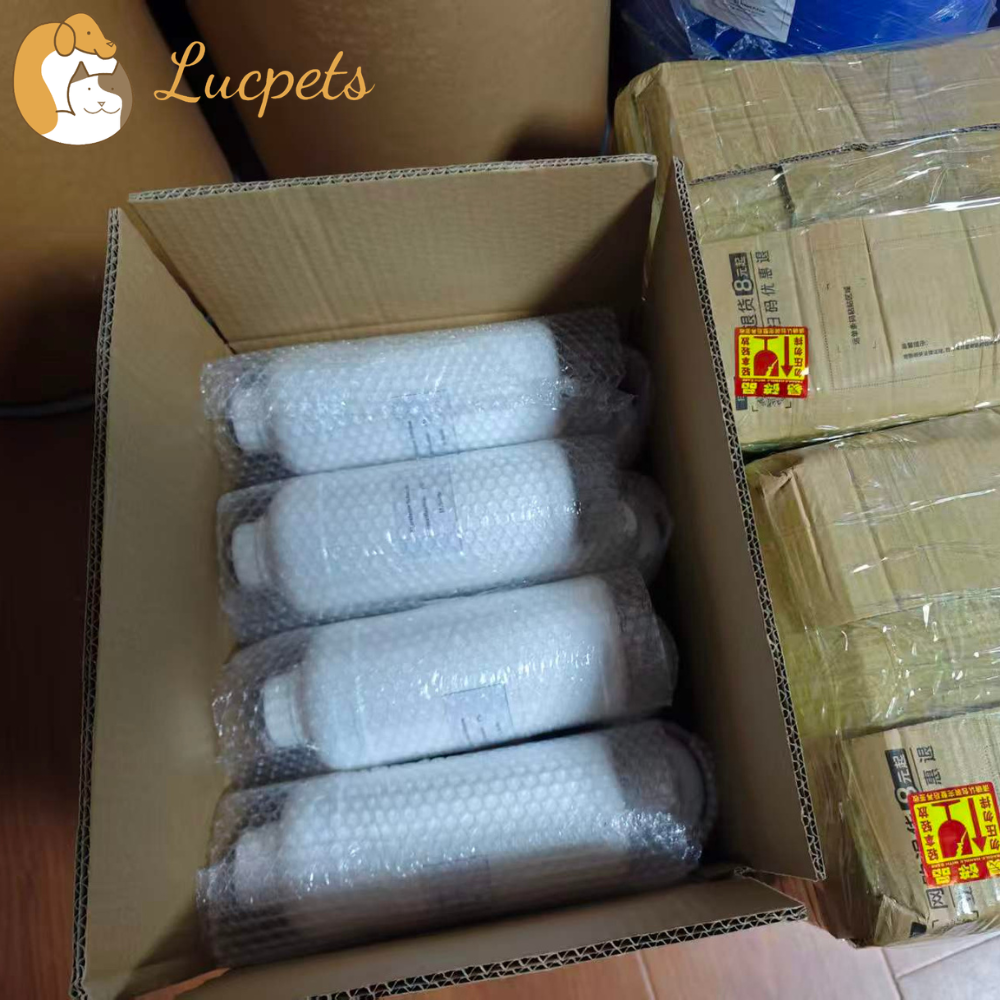
Red mite infestations can quietly drain a flock's health, cutting egg production and stressing birds before anyone notices the damage. Rather than asking your customers to gamble on unproven sprays or powders, offer them a control program that has already earned trust in real poultry houses. The formulation tackles mites at multiple life stages, reducing populations fast and keeping them down between treatments.
You get the benefit of that track record without spending years on development or field trials. We handle the manufacturing, stability testing, and packaging options, while your label goes on a product farmers can recognize and rely on. It is a straightforward way to add a high-demand item to your line, backed by technical support that helps your team answer questions confidently.
Putting your name on proven mite control means fewer customer complaints, repeat sales, and a brand associated with healthier flocks. The groundwork is already done; you supply the distribution and the relationships. That's how a niche product becomes a steady revenue stream.
Targeted Relief for Mites, Not Just Promises
Most mite treatments talk a big game but leave you scrubbing the same surfaces a week later. This one goes after the root problem: it disrupts the mite lifecycle where they hide, not just the ones you can see. The formula clings to fabric and crevices long enough to break the cycle, so a single application keeps working past the initial knockdown.
What sets it apart is the delivery system. Instead of a fine mist that evaporates before it settles, the spray lands as a controlled film on mattresses, baseboards, and pet bedding. Within minutes, the active ingredients bind to the exoskeleton and interrupt moisture regulation, which means mites don't get a second chance to scatter and repopulate.
You'll notice the difference in the air itself. The usual itchiness and sneezing that flare up at night start to fade after the first week, and the effect builds with consistent use. There's no masking fragrance or harsh chemical burn, just quiet, targeted action that holds up against reinfestation.
Private Label Options for Any Flock Size
Whether you run a backyard setup with half a dozen layers or manage a commercial operation with thousands of birds, private label feed can be tailored to your exact flock size. Smaller batches let you experiment with custom blends without locking up storage space, while bulk programs bring per-bag costs down as your numbers climb. The key is matching the protein level, pellet size, and supplement pack to the age and purpose of your birds, so you never pay for feed that works against your production goals.
Many mills now offer tiered private label tiers, ranging from modest 500-pound runs to full truckloads. That flexibility means you can start with a single pallet of a layer mash, test it against your current ration, and then scale into a custom pellet once you see the results. Because the label carries your own farm name and color scheme, the feed becomes part of your brand story, even if you are only selling eggs at a weekend market.
For mixed flocks, blend options can be adjusted for chicks, growers, and mature birds without forcing you to stock a dozen different bags. Work with the mill to split a run between two formulas, or choose a base ration that handles the majority of your birds and add a top-dress for those needing extra calcium or energy. The goal is a feed program that fits the size of your flock today, but has room to grow as your operation expands.
Quiet, Consistent Suppression for Poultry Mites
Poultry mites are a persistent nuisance that seldom announce their presence until populations have already exploded. Birds scratch, feather quality drops, and egg production can dip before a producer even notices the tiny parasites moving along roosts or nesting boxes. The problem with many treatments is that they only knock down visible mites for a short while, letting hidden eggs and larvae rebound within days. Quiet suppression means working in the background, breaking the life cycle without stressing the flock or adding labor-heavy routines.
The key lies in applying a residual control that doesn't just rely on a heavy knockdown spray. Instead, think of it as a slow, steady pressure: targeting cracks, crevices, wood joints, and the undersides of perches where mites shelter between feeding sessions. Because mites spend more time off the bird than on it, repeated low-dose applications in these resting spots can gradually thin out the next generation. There's no need for loud foggers or repeated handling of every bird. The suppression simply continues working while the birds go about their normal day.
This approach also reduces the stress that comes with frequent flock disturbance. Birds stay calmer, and the parasite load drops to levels that don't trigger economic losses. Over a full production cycle, the difference shows up in better feather cover, steadier lay rates, and fewer secondary skin infections. Consistency matters more than intensity.
Why Fluralaner Is the Backbone of Modern Mite Defense
Fluralaner didn't just enter the mite control conversation—it rewrote the rules. Before its arrival, defending against mites meant juggling frequent topical applications, repeated dips, or messy sprays that stressed both pets and owners. Fluralaner flipped that dynamic by offering a single dose that keeps working for up to 12 weeks. This isn't convenience for convenience's sake; it breaks the mite life cycle at multiple stages, preventing reinfestation before it can take hold. When you treat with fluralaner, you're not chasing an outbreak—you're keeping the door locked.
What makes fluralaner structurally different is its systemic reach. Instead of sitting on the skin's surface and hoping mites wander into contact, it circulates through the bloodstream and tissue fluids. Every mite that bites gets a lethal dose. This kills existing infestations fast and turns the pet into a walking dead zone for future mites. Other products may knock down adult mites temporarily, but fluralaner eliminates larvae, nymphs, and adults alike—so there's no hidden reservoir waiting to rebound weeks later. That's the kind of thoroughness that turns a treatment into a backbone.
Veterinarians lean on fluralaner because it simplifies the hardest part of mite defense: compliance. A missed dose with older products often means a full-blown recurrence, but fluralaner's long-acting profile forgives the occasional late reminder. It also reduces the environmental burden—less frequent application means less chemical residue in the home and fewer baths, dips, and sprays that disrupt the pet's skin barrier. In shelters, rescues, and multi-pet households where mites spread like wildfire, fluralaner has become the default because it works quietly, reliably, and without demanding daily effort from already stretched caregivers.
FAQ
Fluralaner belongs to the isoxazoline class and acts on the mite's nervous system by blocking specific chloride channels, which causes paralysis and death. After administration, the active ingredient moves into the bird's bloodstream, so mites get a lethal dose when they feed.
It gives you the same proven active ingredient without the heavy brand markup, and you get control over packaging, positioning, and pricing. For many distributors, that's a smarter way to build customer loyalty than just reselling a generic-looking product.
Safety for layers depends on the specific product and local regulations. Many fluralaner formulations approved for poultry include a defined egg withdrawal time, so it's essential to follow the label and any regional residue limits. When used as directed, it's a practical option for layer operations.
Older products often rely on direct contact and may fail if coverage is poor or mites are hiding. Fluralaner works systemically, so it reaches mites wherever they bite the bird. It also has a different mode of action, which is valuable in flocks where mites have become resistant to conventional chemicals.
You'll mostly find oral solutions for drinking water and spot-on formulas for smaller or more targeted applications. The right choice depends on flock size and management style, but a good private label partner will usually offer both routes and let you pick the packaging that fits your market.
Mites begin dying within hours of ingesting blood from treated birds. Most producers see a clear reduction in mite activity within one to two days, and the population continues to fall as mites in the housing return to feed on treated birds.
Its main use in poultry is against blood-feeding mites like red mite, but depending on the formulation and label, it may also affect some lice and ticks. If you're dealing with a broader parasite problem, check the product claims for your specific region.
Beyond competitive pricing, look for a supplier with real manufacturing quality, batch-to-batch consistency, and regulatory documentation for your target markets. It's also worth asking about minimum order flexibility and whether they provide technical support that doesn't force you into their corporate branding.
Conclusion
Fluralaner poultry solutions are built around one clear idea. Mite control should last long enough to break the infestation cycle, not just knock down visible adults for a few days. The active ingredient's extended activity keeps working well after the initial application, reducing the need for repeated treatments and cutting labor costs across the operation. Private label versions let you put your own brand on this proven approach without starting from scratch. Whether you serve a backyard flock or a large commercial operation, formulations can be matched to different flock sizes and management styles. This delivers targeted relief where mites actually hide, in cracks, crevices, and under feathers. It also does so quietly, without disrupting birds or routine operations, which helps maintain steady production.
What makes fluralaner the backbone of modern mite defense is its consistent suppression of mite populations over time. Mite numbers drop and stay low, protecting bird health, weight gain, and egg output. For businesses, offering a private label solution with a track record means more than selling a generic copy. The flexibility in formulation and packaging makes it practical for a wide range of customers, from small producers to integrated poultry companies. A quiet, consistent suppression pattern means birds stay calmer and workers spend less time on emergency treatments. By choosing fluralaner-based private label products, you gain a dependable tool that fits your brand and keeps mites from coming back season after season.
Contact Us
Contact Person: Aaron
Email: [email protected]
Tel/WhatsApp: +86 18177165140
Website: https://www.lucpetsglobal.com