
Concentrated Laundry Pods Manufacturer Guide to Sustainable Production
2026-10-13
Every time a concentrated laundry pod dissolves in your washer, a complex supply chain has already made thousands of decisions about water, chemistry, and waste. Most of those choices are invisible—and many are far from sustainable. This guide pulls back the curtain on how manufacturers like LANJIEYA are reworking those decisions one by one: replacing petroleum-based films, optimizing low-temperature detergent blends, and redesigning packaging to cut plastic without risking leakage. We’ll look at the real trade-offs behind “eco-friendly” pods and the production benchmarks that actually move the needle. If you’re sourcing concentrated pods or just tired of vague green claims, here’s where substance replaces slogans.
Shrinking the Water Footprint at the Mixing Stage
Cutting water use during mixing rarely starts with a single dramatic fix. More often, it comes from a chain of small adjustments: switching to dry cleanup methods for spills, recalibrating spray nozzles so they deliver only what is needed, and reusing rinse water from one batch to pre-wet equipment for the next. These moves feel minor on their own, but over a week of production they can trim thousands of liters without touching product quality.
A useful first step is to map where water actually goes in the mixing area. Many teams assume hoses and washdowns are the biggest draw, only to find that continuous cooling lines, pump seal flushes, or over-diluted cleaning solutions are quietly consuming far more. Once those hidden flows are visible, it becomes easier to replace open-ended rinses with controlled bursts, install trigger shutoffs, or shift to mechanical scraping before any water is introduced.
Equipment design also shapes the footprint. Smooth vessel interiors, sloped drains, and mixers that can run a short high-shear cleaning cycle often need less water than older, rougher surfaces that trap residue. Pairing these upgrades with simple operator habits, like scraping sides immediately after discharge and scheduling full washes only when truly necessary, keeps the mixing stage efficient without turning it into a bottleneck.
Choosing Film Materials That Break Down Without Microplastics
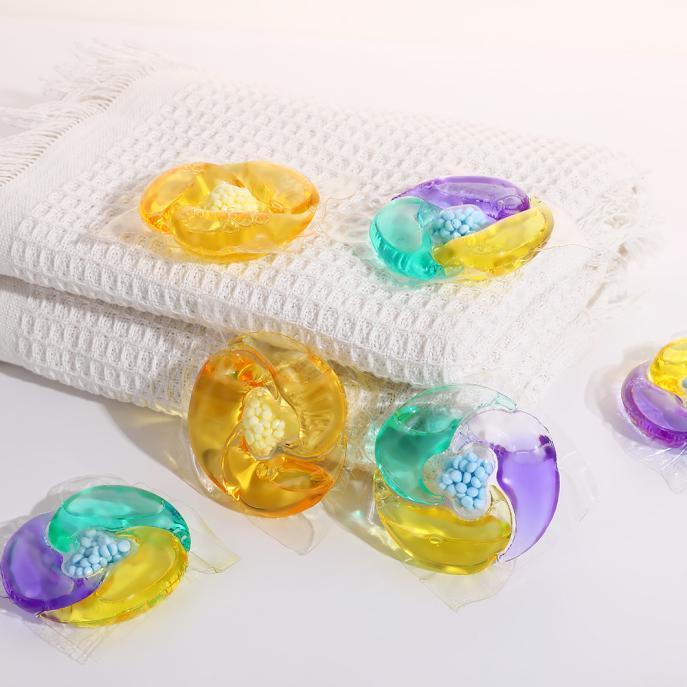
Many packaging films claim to be eco-friendly, yet still fragment into invisible particles. The real challenge is finding materials that fully mineralize rather than just disintegrate. Look beyond labels like "biodegradable" and ask how the polymer chain actually breaks apart under real-world conditions.
Cellulose-based films, certain PHA blends, and plasticized starch often degrade through enzymatic or hydrolytic pathways that leave behind water, carbon dioxide, and biomass—not persistent microplastic fragments. But even these can fail if they're mixed with conventional polymers or stabilizers. Checking for third-party certifications such as TÜV Austria's OK biodegradable MARINE or home compost standards can help separate genuine breakdown from marketing language.
In practice, switching to films that avoid microplastics means testing them in your specific disposal environment. A film that fully biodegrades in industrial composting may still linger in soil or freshwater. Prioritize suppliers who provide complete degradation data, not just initial fragmentation tests, and consider how additives or coatings might interfere with the final breakdown.
Rethinking Pod Packaging Beyond the Plastic Tray
The single-serve coffee pod has become a symbol of convenience, but its packaging often tells a different story—layers of plastic, aluminum, and composite films that end up in landfills. Rethinking pod packaging means questioning why the plastic tray, a rigid shell designed solely for retail display, still dominates when it adds little functional value after purchase. A more honest approach would strip back to what actually protects the coffee: a thin, compostable barrier that keeps oxygen out without demanding a separate plastic scaffold.
Some brands are experimenting with paper-based wraps that hold pods in a honeycomb arrangement, using structural folds instead of injection-molded cavities. Others are turning to molded fiber made from agricultural waste, which can cradle each pod securely while breaking down in home compost within weeks. The challenge isn't just material substitution—it's redesigning the entire unpacking experience. A pod should slide out with the same tactile satisfaction as peeling a fruit, not require a mini crowbar to pry open a vacuum-formed shell.
Beyond the tray itself, the outer carton often becomes redundant when pods are bought online and shipped in another box. Smart packaging could consolidate that double layer into a single, lightweight sleeve printed with water-based inks and zero adhesives. The future of pod packaging isn't a bigger recycling symbol on the same old plastic—it's a fundamental shift toward systems where the package disappears gracefully after use, leaving only the coffee's aroma as proof it ever existed.
Recovering Heat and Chemistry From Washdown Lines
Plant washdown operations often dump a surprising amount of energy straight down the drain. Hot water used for rinsing equipment carries thermal value that can be captured with a compact plate heat exchanger before the effluent leaves the facility. The same stream also holds cleaning agents, surfactants, and sanitizers that don't need to be thrown away after a single pass. By running the drain line through a settling and screening stage first, solids are removed and the chemistry stays in solution long enough to be reused in the next wash cycle.
A practical setup starts with a holding tank that lets fats and heavy particles separate naturally. From there, a pump sends the clarified liquid through a heat exchanger, where incoming cold water picks up the leftover warmth. Downstream, a conductivity or pH sensor checks the strength of the cleaning solution. If it is still within range, the liquid is dosed with a small amount of fresh chemical and sent back to the washdown stations. This kind of loop cuts both fuel use for water heating and the amount of new detergent purchased each month.
Not every facility can reuse all the effluent, but even partial recovery changes the numbers. Food plants, dairies, and beverage operations with high-frequency washdowns tend to see the fastest payback because their lines run hot and chemical load is predictable. The key is to treat the washdown stream as a resource stream rather than a waste problem. Once that shift in thinking happens, the piping and controls required are straightforward and usually fit within existing utility corridors.
Greener Surfactants Without the Performance Trade-Off
For years, the cleaning industry treated sustainability and efficacy as opposing forces. You could have a surfactant that was gentle on the planet but weak on grease, or one that cut through grime yet left a heavy environmental footprint. That binary is finally crumbling. Advances in bio-based feedstocks and molecular design are producing surfactants that match or even beat their petroleum-derived predecessors in hard-surface cleaning, foam stability, and low-temperature performance, while dramatically reducing aquatic toxicity and carbon intensity.
The real breakthrough isn’t just swapping raw materials; it’s rethinking surfactant architecture. By branching hydrophilic heads or adjusting the length of hydrophobic tails, chemists can tune micelle formation and surface tension reduction without relying on ethoxylates or other controversial building blocks. The result: formulations that rinse clean, work in cold water, and maintain their punch in high-hardness conditions — all while meeting stringent ecolabel criteria. This isn’t greenwashing; it’s a genuine performance upgrade disguised as an environmental story.
What’s pushing this shift isn’t just regulation or consumer pressure. Formulators are discovering that greener surfactants can simplify their supply chains, reduce solvent loads, and open doors to markets where traditional chemistries are banned. The trade-off is gone because the underlying science has caught up with the demand. The next generation of cleaning products won’t ask users to choose between a spotless surface and a clear conscience.
Supplier Scorecards That Reward Real Environmental Progress
Most supplier scorecards still reward paperwork over proof, but that's changing fast. A scorecard built for genuine environmental progress weighs third-party verified reductions in energy use, water withdrawal, and waste-to-landfill far more heavily than a supplier's ability to recite a sustainability policy. One electronics manufacturer, for example, now assigns 40% of its supplier sustainability score to measured, year-over-year improvements in carbon intensity per unit shipped. This shift forces suppliers to move beyond glossy reports and into operational changes that can be audited.
The most effective scorecards also create a tiered incentive structure. Suppliers that hit science-aligned targets within a given window earn extended contract terms, preferential payment schedules, or even a share of joint R&D funding for cleaner production methods. Underperformers aren't simply penalized; they're given a 12-month improvement pathway with access to technical support, and only if they fail to begin closing the gap do they lose preferred status. This approach keeps the pressure on without turning the scorecard into a blunt instrument that punishes smaller suppliers lacking in-house environmental staff.
Transparency matters as much as the metrics themselves. Leading companies publish scorecard methodology and anonymized aggregate results, so suppliers can benchmark against peers. They also rotate third-party auditors and require raw data uploads—not summary statements—to prevent gaming. When a scorecard rewards actual, verifiable environmental progress rather than the quality of a supplier's narrative, it starts to reshape procurement markets in a way that sustainability pledges alone rarely do.
FAQ
They strip out water from the formula, so each dose weighs less and takes up far less space. That means fewer trucks, less fuel burned in transport, and smaller storage footprints at both the warehouse and the retail shelf.
The outer film is usually polyvinyl alcohol, which dissolves in water. A more sustainable route is to source PVA derived from bio-based feedstocks or certified low-impact production, and to verify that it fully biodegrades in wastewater treatment rather than persisting as microplastic.
Closed-loop rinsing systems and dry-mix processes for the detergent core can drop water consumption sharply. Some lines capture and reuse wash water for equipment cleaning, which works if the water is filtered and monitored for residue levels.
Switching from rigid plastic tubs to flexible pouches with recycled content cuts material weight by over half. Adding a child-resistant zipper that is still recyclable through store drop-off programs keeps safety while removing the need for a secondary outer box.
Look for EU Ecolabel, USDA BioPreferred, or Nordic Swan for the formula, and OK Biodegradable or TÜV OK compost for the film. For the facility itself, ISO 14001 shows a working environmental management system rather than just marketing claims.
Solar thermal can preheat water for mixing and tank cleaning, while ground-source heat pumps handle low-temperature drying of the film after casting. On-site battery storage paired with off-peak grid power reduces reliance on diesel backup generators.
Because the dose is smaller by weight, the same truck delivers far more wash loads. Depending on the formula, the use-phase carbon saving from skipping hot water can be bigger than the entire production footprint, especially when pods are used in cold cycles.
Off-spec pods and start-up scrap from film sealing are often landfilled or incinerated. A better approach is to de-film failed pods, recover the detergent core for reuse in lower-grade cleaning products, and send the film to industrial composting if the PVA formulation allows it.
Conclusion
Shifting a concentrated laundry pod line toward genuine sustainability starts long before the finished product reaches a shelf. The mixing stage, often overlooked, holds significant water-saving potential. Closed-loop rinse systems and high-solids surfactant blends can cut per-batch water use by double digits without altering pod performance. Washdown lines, typically a hidden drain on both energy and chemistry, deserve equal attention. Capturing residual heat from these lines and filtering out reusable cleaning agents turns what was once wastewater into a resource loop. Meanwhile, new surfactant chemistries, including branched alcohol ethoxylates derived from bio-based feedstocks, now match petrochemical cleaning power while degrading more readily. The trick is to demand hard data from raw material suppliers rather than accepting vague “green” claims.
Packaging is where manufacturers face the most visible scrutiny. Polyvinyl alcohol film remains popular, but not all PVOH behaves the same in real-world waterways. Specifying grades that fully dissolve and mineralize without leaving microplastic fragments requires working closely with film extruders and testing beyond standard lab conditions. Beyond the pod itself, the rigid plastic tray feels increasingly outdated. Molded fiber, unbleached cardboard, or even dissolvable paper wraps can hold pods securely while cutting fossil-based plastic from the bill of materials. Finally, supplier scorecards that weight actual reductions in carbon, water, and toxicity—not just certifications—push the entire value chain forward. Tying a portion of procurement bonuses to verified environmental milestones turns sustainability from a marketing slide into an operational habit.
Contact Us
Contact Person: Zhao Yanlong
Email: [email protected]
Tel/WhatsApp: 8615832007309
Website: https://www.gzlanjieya.com