China Press Brake Supplier: Key Factors to Consider Before Buying
2026-10-21
When sourcing a press brake from China, many buyers fixate on the lowest price—only to discover hidden weaknesses in frame rigidity, hydraulic stability, or after-sales support. Yet the difference between a bargain and a smart investment often comes down to a handful of overlooked details. As an established manufacturer, JIAN MENG has seen firsthand how these factors determine long-term performance and total cost of ownership. Before you commit to a supplier, here are the critical points you need to evaluate—so your next press brake doesn't just work on day one, but keeps earning for years to come.
Beyond the Quote: What Actually Determines Press Brake Quality?
A press brake's quoted price tells you almost nothing about how it will behave after six months of production. The machines that hold their accuracy are the ones where the manufacturer invested in stress-relieved weldments, machined mating surfaces after assembly, and a hydraulic system that doesn't hunt for pressure. Cheaper units often skip the thermal stress relief or use thinner ram plates, and you won't see that on a spec sheet until the bend angle starts drifting at the far ends of the bed.
Ram deflection under off-center loads is one of the clearest tells. If the upper beam flexes more than a few hundredths of a millimeter when you're working near the edges, no amount of controller compensation will fully fix it. A proper crowning system—mechanical or hydraulic—needs to react with the load, not just apply a fixed curve. Likewise, backgauge repeatability matters more than its travel speed; a gauge that returns to within 0.01 mm every cycle beats a faster one that wanders by 0.05 mm.
Then there's the less glamorous stuff: hose routing that doesn't chafe, electrical cabinets that stay cool, and local support that can get you a replacement valve without waiting three weeks. You can gauge a builder's priorities by looking at how they handle weld spatter clean-up, whether the Y-axis reference is measured at the cylinder or at the tool, and how many shims the factory used during final alignment. Those details never make it into a quote, but they're exactly what determine whether the machine holds a consistent angle on a 10-hour shift.
Factory Visits or Video Tours: Verifying Claims Without Leaving Your Desk
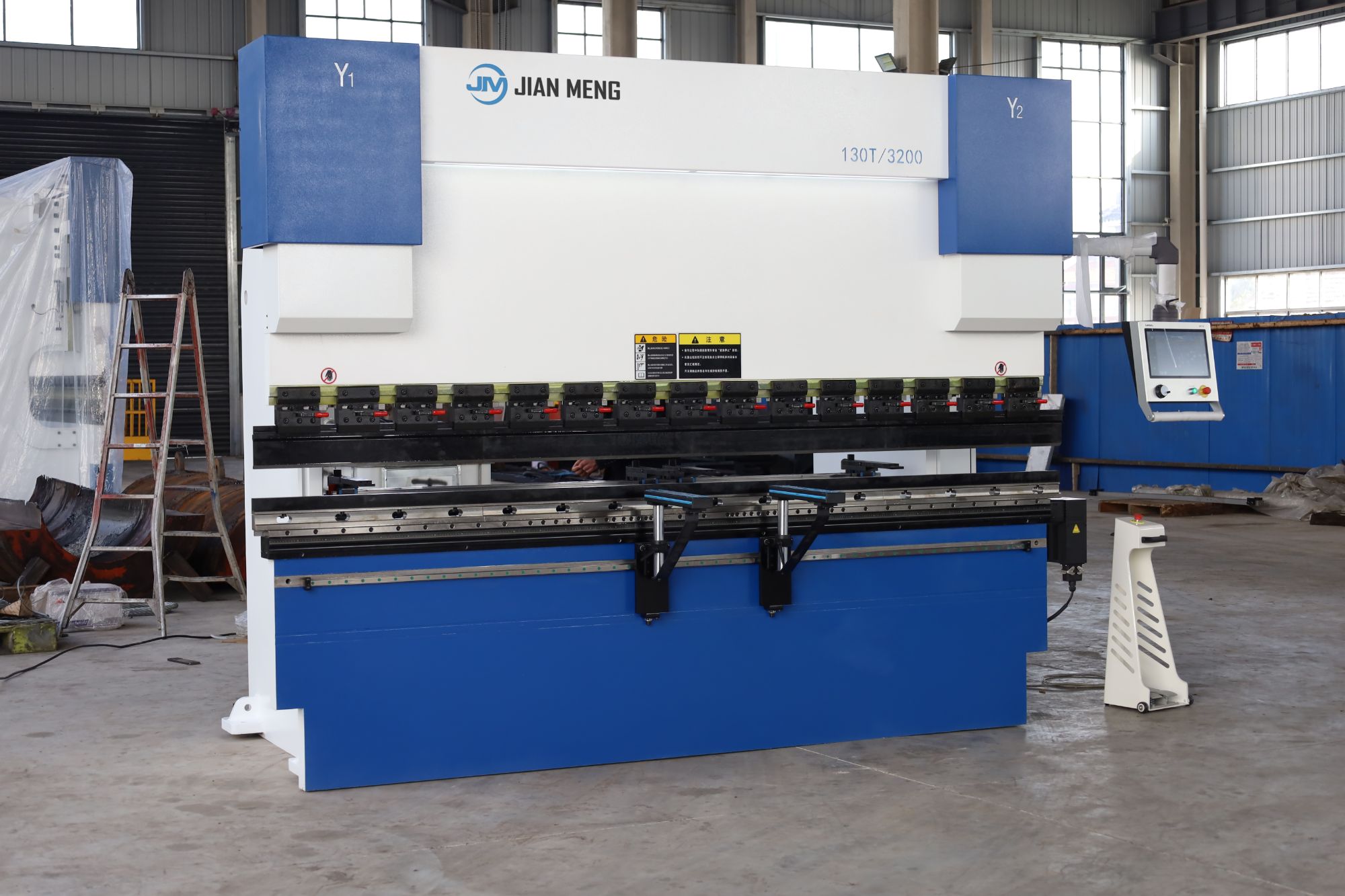
Remote verification is not about turning trust into suspicion; it is about asking questions that reveal consistency. A factory video tour lets you see whether the promised production line actually exists, whether workers follow the stated process, and whether the equipment matches the capacity claims. Instead of relying on a glossy brochure, you can request a live walkthrough that pans from raw material storage to the final packing area, then compare what you see with the written audit report.
One practical trick is to ask for specific, time-stamped details that are hard to fake: have the contact show a current newspaper or a phone screen with the date, then move the camera slowly across the QC station and the shipping bay. If the video cuts away at convenient moments or always shows the same clean, empty corner, that is a signal. You might also ask to see the machine's maintenance log or a random batch record, not just the showcase samples.
The goal is to build a mental map of the facility and spot mismatches. If a supplier claims 10,000 units per month but the video shows only one small assembly table, the math does not work. If they mention an ISO-certified cleanroom but the tour shows an open warehouse with dust, that is a red flag. Keep notes during the call, ask for a second tour on a different day, and let the inconsistencies lead your questions.
The Hidden Costs of a “Cheap” Press Brake from China
The initial price tag may look unbeatable, but the first hidden cost usually surfaces within months. Frames built from thinner steel plate can develop slight twists after repeated bending cycles, throwing off angle accuracy by a degree or more. Hydraulic seals and hoses sourced from the lowest bidder often begin weeping oil before the first year is out. Once that happens, every job demands constant test bends and adjustments, and the scrap rate climbs quietly. What seemed like a bargain now consumes your operator’s time and your material budget.
Then there is the waiting game when something breaks. Many low-cost exporters keep no local parts inventory, so a failed solenoid valve or controller board can mean two to six weeks of downtime. While the machine sits idle, you are still paying wages, rent, and loan installments. Technical support may be limited to a messaging app with a twelve-hour time difference, and the advice often amounts to “send a video and try rebooting.” Some buyers end up hiring a local technician to reverse-engineer the problem, adding thousands in unplanned labor costs.
Safety and compliance are another quiet drain. Machines built to the lowest price point frequently omit light curtains, proper guarding, or certified electrical components. An inspector or insurance auditor may require retrofits before the press brake can even be used, and those upgrades can erase a large chunk of the initial savings. When you factor in shorter component life, unpredictable support, and the cost of bringing the machine up to code, the “cheap” press brake often turns out to be the most expensive one on the floor.
After-Sales Support: Will Anyone Answer When the Machine Stops?
A machine going down at the wrong moment can bring an entire shift to a halt. The real question isn't whether the equipment will fail—it's whether a human being will pick up the phone when it does. After-sales support often looks great on paper, with promises of 24/7 hotlines and rapid response teams. But on a Friday night, when the line stops and orders are piling up, those promises either hold or they don't. The difference between a costly shutdown and a quick recovery usually comes down to one thing: a support team that treats your emergency as their own.
Strong after-sales support means more than a warranty card. It means having a named contact who knows your machine's history, not a rotating cast of ticket numbers. It means getting a straight answer on when a technician will arrive, instead of a vague 'soon.' And it means having spare parts in stock locally, not shipped from a warehouse three time zones away. When the machine stops, the last thing you need is a phone tree. You need someone who answers, understands the urgency, and moves.
Ask any production manager what they value most in a supplier, and they'll rarely mention the initial price. They'll talk about the time a drive failed at 2 a.m. and someone actually answered. That memory, more than any brochure, shapes whether they ever buy from that company again. After-sales support isn't a department—it's the promise that you won't be left alone when it matters most.
Customization Without the Chaos: Matching Chinese Manufacturing to Your Specs
When you hand a spec sheet to a factory in Shenzhen, the real question isn't whether they can make it—it's whether the final product will match the image in your head. Customization in Chinese manufacturing often gets tangled in miscommunication: a tolerance that's "close enough" on paper drifts into unusable on the line, a material sample that looks identical under office lighting shifts color on a store shelf. The chaos comes not from a lack of capability, but from gaps in how requirements are translated, confirmed, and locked down before production starts.
A practical approach starts with treating your spec as a living document, not a one-time handoff. Break down every non-negotiable—dimensions, surface finish, connector types, packaging—into measurable checkpoints. Then insist on pre-production samples that you test in the actual use environment, not just on a bench. Good factories will push back on vague language: if you write "durable," they should ask for drop-test heights. If you write "premium feel," they should ask for gloss units and weight tolerances. That back-and-forth isn't friction; it's how chaos gets filtered out early.
Over time, the goal is to build a shared shorthand with your manufacturing partner. A photo of a scratched corner becomes a reference for acceptable wear. A returned batch from your warehouse teaches them that humidity matters more than the spec suggested. Customization without chaos doesn't mean eliminating surprises—it means creating a system where surprises happen on a sample bench, not in a container full of finished goods.
Shipping, Customs, and Timelines: Planning for Realistic Delivery
Realistic delivery planning starts with understanding that shipping lanes and customs clearances don't run on a stopwatch. A package leaving a warehouse in Shenzhen may sit in a consolidation center for two days before it even boards a plane, then spend another four waiting for Belgian customs to clear a backlog. These are not exceptions; they are the normal rhythm of global freight. Build that rhythm into your timeline instead of assuming overnight momentum.
Customs is the wildcard most timelines ignore. Every country has its own paperwork quirks, from Mexico's strict importer-of-record requirements to Germany's occasional demand for translated commercial invoices. A missing HS code or a vague product description can turn a three-day clearance into a three-week hold. The practical fix is to treat customs documentation as part of the product, not an afterthought. Prepare line-item descriptions, correct values, and origin certificates before the shipment leaves, then send a PDF to your customer so they aren't surprised by a broker's email.
For the customer-facing side, state a range and add a week. If your freight forwarder quotes 8-12 days door to door, tell the customer 15-20 days. This isn't padding for the sake of it; it absorbs the inevitable slow day at the port or missed handoff between local couriers. Include tracking from the moment the label is generated, but avoid promising a delivery date you don't control. A calm, honest timeline with a little extra room consistently outperforms an optimistic one that requires apologies later.
FAQ
Request a live video walkthrough of their workshop, not just polished brochures. Pay attention to how they handle raw steel, whether CNC machining centers are actually running, and if there's a dedicated assembly area rather than a chaotic mix of parts. A supplier that hesitates to show real-time footage or insists on pre-recorded clips often has something to hide. Also ask about their monthly output capacity—consistent production volume usually correlates with better supply chain discipline.
CE is common but many factories self-certify without real third-party testing. Demand a copy of the EU-type examination certificate for the specific model you're buying, plus a recent accuracy test report showing repeatability within ±0.01 mm if you're doing precision bending. For electrical safety, ask for ISO 12100 risk assessment documentation. Don't accept generic 'we meet all standards' claims—many buyers later find the control panel lacks proper grounding or emergency stop wiring.
The cheapest quote usually hides thinner frames, smaller hydraulic cylinders, or used electrical components. Ask for the exact weight of the machine—quality press brakes are heavier because they use thicker steel plates for the frame. Compare the brand of key parts: a reputable supplier will specify Bosch Rexroth or Parker hydraulics, Siemens or Schneider electrics, and a CNC controller like Delem or ESA. If they can't name the component brands, walk away.
Standard lead time is 30-45 days for production, but custom configurations can stretch to 60 days. Shipping to Europe or North America adds 25-40 days by sea, plus 7-10 days for customs clearance. Buffer at least three weeks on top of the promised date. Ask the supplier to send photos of the machine crated and the bill of lading before final payment—some factories delay shipping because they're still finishing assembly, not because the port is congested.
Yes, absolutely. A pre-shipment inspection by a company like SGS or Bureau Veritas costs a few hundred dollars but catches missing safety guards, incorrect tooling, or bent frames that happen during handling. Make sure the inspection includes a test bend with your actual material thickness and a check of the back gauge repeatability. If the supplier resists a third-party check, treat that as a red flag and move on.
Expect remote video support for commissioning—most suppliers can guide your electrician through the wiring and parameter setup. For mechanical or hydraulic problems, ask whether they have a partner service center in your region or if they'll fly a technician out, and who pays for that travel. Also clarify spare parts availability: a good supplier keeps a stock of common wear items and can ship by air within a week. Get these promises in writing, not just in a WhatsApp message.
Ask for the business license and check the registered business scope—it should say 'manufacturing' not just 'sales' or 'import/export.' Look up their export records or ask for the customs declaration of a recent shipment to your country. A real factory will also have a consistent address on Google Maps showing a workshop, not an office building. Trading companies can still deliver, but you'll pay extra margin and lose direct contact with the engineers who can fix design issues.
Conclusion
When sourcing a press brake from China, the quoted price rarely tells the whole story. Build quality depends on frame rigidity, hydraulic system components, and how consistently the factory tests each machine before shipping. A low quote often hides thinner steel plates, unbranded valves, or weaker backgauges that eventually cost more in downtime and repairs. Smart buyers request factory video tours or live walkthroughs to check welding quality, assembly practices, and whether the supplier actually builds what they claim. You should also verify that they can handle custom tonnage, special tooling, or unusual bending lengths without turning the order into a chaotic back-and-forth. Many suppliers promise flexibility, but only those with solid engineering teams can match your specifications cleanly. After-sales support matters just as much as the machine itself; if a control board fails or a cylinder leaks, you need someone who responds quickly, not a salesperson who disappears after payment.
Logistics and hidden costs also shape the real price. Shipping, port charges, customs duties, and inland delivery can add thousands of dollars, and delivery timelines often slip if the factory is juggling multiple orders or waiting on imported parts. Ask for a detailed Incoterms breakdown and realistic lead times instead of vague promises. Request references, check warranty terms, and make sure spare parts are available locally or can be shipped fast. At the end of the day, the difference between a good Chinese press brake supplier and a costly mistake comes down to verified build quality, honest pricing, and someone who picks up the phone when the machine stops.
Contact Us
Contact Person: Jeanie
Email: [email protected]
Tel/WhatsApp: +86 19805122954
Website: https://www.jianmeng.com