
China Aluminum Cup Sourcing Made Simple for Importers
2026-10-19
Importing aluminum cups from China often feels like a gamble—suppliers overpromise, quality slips, and delays eat into margins. It doesn’t have to be that way. Partnering with a focused manufacturer like APEXAL simplifies the entire sourcing journey, from first sample to final shipment, so you can import with confidence.
Match the Cup to Your Market Before Contacting Any Factory
Jumping straight to a factory without knowing who you're really selling to is the fastest way to end up with a warehouse full of cups nobody wants. A reusable coffee tumbler that flies off shelves in Seattle might sit untouched in a region where people drink tea from small ceramic cups. Spend time in the places where your buyers actually live—watch what they carry, what they complain about, and what they refuse to compromise on. That raw observation tells you more than any generic market report.
Pay attention to the unglamorous details: lid tightness for commuters, handle comfort for elderly users, weight for hikers, and even the sound a cup makes when set on a table. Price sensitivity shifts by neighborhood and income bracket, so test a few prototypes at local markets or through a small online group before committing to a production run. If people hesitate or ask for changes, that's not failure—it's the exact feedback you need to refine the design before a factory ever hears from you.
When you finally approach a manufacturer, you'll be able to describe your buyer in concrete terms: their daily routine, their must-have features, and the price they're willing to pay without flinching. That clarity shortens the sampling phase, reduces miscommunication, and gives the factory a clear target instead of a vague request for "a nice cup." Matching the product to the market first turns the factory into a partner, not a guessing game.
Build a Shortlist of Chinese Suppliers Worth Your Time
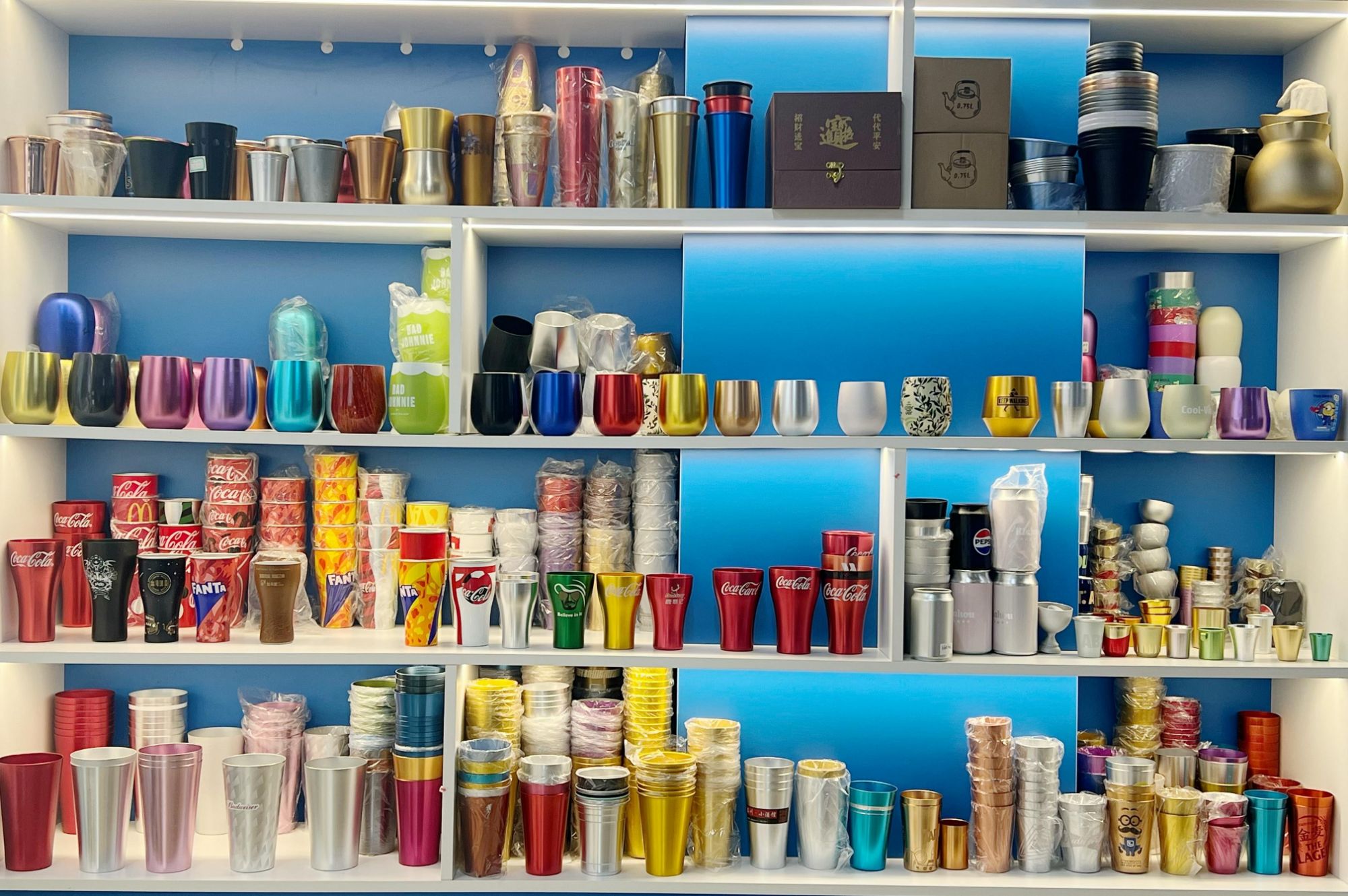
Most buyers waste weeks chasing factories that look identical on paper. Instead, start with the opposite approach: decide what a disqualifying supplier looks like before you open a single catalog. For example, if a supplier lists more than six unrelated product categories, move on. Check whether their export license is still active, whether their stated location actually sits near the raw materials they would need, and whether their minimum order quantity matches your first production run. These filters remove the noise faster than any long spreadsheet.
Then, go beyond the obvious directories. Pull up the supplier's address on a satellite map and look for signs of actual production: loading docks, raw material storage, or a workshop roof rather than a co-working space. Ask for a packing list from a shipment within the last 60 days, including HS codes. Factories that can send this within a day are usually real operations, not trading companies pretending. Also ask for a single photo of the production line with a handwritten note showing today's date. It sounds small, but it separates active workshops from showroom-only sellers.
Once you have candidates, keep the shortlist tight: five to seven names is enough. Send each one the same detailed request with tolerance specs, packaging requirements, and a clear deadline. Then ask for a short video call where they walk the floor, not the sample room. If a supplier hesitates on a line walk, treat that as information, not a deal-breaker. The goal is not to find the perfect factory on paper; it is to find three or four you can actually verify without flying to China.
Ask the Right Questions to Avoid Costly Material Mix-Ups
Before a single order gets placed, push suppliers to confirm the exact grade, finish, and traceability documentation. A vague “standard alloy” is how a stainless steel fitting turns into a carbon steel one halfway through a run.
Ask where the material was melted, what heat number it carries, and whether any scrap was blended in. These aren’t bureaucratic details—they’re the difference between a part that passes inspection and one that fails after installation, costing you downtime and rework.
Finally, make the supplier walk you through their incoming inspection and segregation process. If they hesitate or can’t show clear bin labeling and test certificates, treat that as a red flag before your own shop floor inherits the problem.
Lock In a Price That Won't Shift After Your Deposit Clears
A quoted price should mean something. Once your deposit clears, the figure we agreed on is locked in writing—no surprise line items, no passing along supplier increases that happened after the fact. If the scope doesn’t change, neither does the total.
That means you can plan your budget without watching for an email that quietly revises the cost. We treat price stability as part of the service, not a courtesy. Your deposit signals the start, not an opening to renegotiate.
Run Pre-Shipment Checks Without Flying to China
Flying to Shenzhen or Yiwu for a last-minute inspection used to be the only way to feel sure about a batch before it left the factory. Now you can have someone walk the production floor with a phone camera, show you the cartons, run the same drop tests and pull random units from the line while you watch from your desk. The key is working with an inspector who knows which flaws are common for your product category, not just someone filming a warehouse tour.
Ask for live video calls at specific stages: after first assembly, during packaging, and at container loading. Have them measure dimensions, check labels against your spec, and test a sample from each carton. You can also request a sealed sample sent by courier so you have a physical reference before approving the balance. This catches most issues that would have justified the plane ticket, without the jet lag or the rushed factory lunches.
Handle Freight and Customs Like a Seasoned Importer
Freight and customs trips up plenty of first-time buyers, but experienced importers treat them as part of the product lifecycle rather than a surprise at the dock. They start by locking in Incoterms that shift risk and cost where they can actually control it, then match the shipping mode to the real urgency of the stock, not the panic of the moment. Air freight solves a launch date crisis, but sea freight wins when you have a reorder rhythm and a warehouse that can absorb a few weeks of lead time.
Customs clearance is less about paperwork hacks and more about consistency. Seasoned importers keep a master file for every product: HS code, country of origin, material breakdown, and any certificates or permits that a particular port tends to request. They don't guess on the tariff line to save a few dollars, because a misclassification will eventually surface in an audit and cost ten times the difference. They also build a shortlist of brokers who return emails within a day and flag potential holds before the container arrives, rather than after.
The real edge comes from using freight data as a planning tool. If your landed cost per unit swings by more than a few percent between shipments, that's a signal to renegotiate the forwarder contract or look at consolidation. If a certain product gets flagged repeatedly at the same port, switch entry points or adjust the packing list before the next order ships. Treat each shipment as a chance to tighten the next one, and freight stops being a cost center and starts behaving like an extension of your supply chain.
FAQ
Skip the endless directory scrolling. Start with trade shows like Canton Fair, but don't just grab brochures—ask for their export license, recent audit reports, and at least three clients you can actually call. A factory that hesitates on any of these isn't worth your time.
Most mid-size factories quote 2,000 to 5,000 pieces for fully custom designs, but stock cups can start at 500. If you're testing a market, ask about "trial order" pricing or mixing colors within one production run. Many suppliers will drop the MOQ by 20-30% if you accept longer lead times or pay a small surcharge.
Never rely on photos alone. Request a pre-production sample, then pay a third-party inspection service (like SGS or Bureau Veritas) to check the first batch. Focus on wall thickness consistency, rim smoothness, and the inner coating—cheap cups often have uneven coating that flakes within months.
The quoted unit price rarely includes mold fees (often $300-$800), domestic freight to the port, export packaging, and destination port charges. Also watch for raw material price adjustments—some contracts allow the factory to change the price if aluminum ingot costs move more than 3%. Lock in a fixed price for at least 90 days.
Custom printing or engraving is available even at moderate quantities, usually 1,000 units and up. Options include silk-screen printing, laser engraving, and heat-transfer wraps. Ask for a digital mock-up before production and order a few printed samples—colors can shift slightly between batches.
Production typically takes 20-35 days after sample approval. Then add 2-3 weeks for sea freight to most Western ports, plus a few days for customs clearance and inland trucking. If you need cups in under 30 days, look for suppliers with stock inventory in a nearby country or pay for air freight on a partial order.
Ask for FDA or EU food-contact compliance documents, not just a generic "food grade" claim. The inner coating should be BPA-free and meet standards like LFGB for Europe. Reputable factories will share test reports from labs like SGS, TÜV, or Intertek. If they can't provide these, move on.
Use a purchase contract with clear specs, penalties for late delivery, and payment terms like 30% deposit / 70% against a passing inspection report. Never pay the full amount upfront. Verify the factory's business license and export records through a sourcing agent if you're new. And trust your instincts—if a price seems too good to be true, it usually means thinner aluminum or skipped coating layers.
Conclusion
Importers often assume that finding a Chinese aluminum cup supplier means sending the same inquiry to twenty factories and waiting for the lowest quote. That approach rarely ends well. A smarter path is to first study what your target market actually drinks from—rim thickness, wall gauge, capacity, coating preferences—so you can brief factories with a clear specification instead of a vague idea. From there, assembling a realistic shortlist of five or six manufacturers beats chasing dozens. When you do engage them, pin down the exact aluminum alloy, inner coating, and printing method before discussing price. Many headaches come from suppliers quietly switching from food-grade lacquer to a cheaper industrial coating or changing the alloy to shave costs.
Once you have comparable offers, move beyond the unit price. Ask for a breakdown that includes raw material surcharges, tooling, packaging, and any domestic logistics. This is how you lock a number that stays put after your deposit clears—write those inclusions into the purchase order and state clearly that price changes require written agreement. Before production wraps up, hire a local inspection firm to do a pre-shipment check; you don't need to fly to China to catch dents, off-register printing, or coating thickness issues. Finally, treat freight and customs as part of the product cost from day one. Get your Incoterms straight, know whether your cups fall under any special tariff lines, and keep documentation consistent. Importers who follow this sequence usually end up with cups that match the sample, arrive on time, and don't surprise them with hidden charges at the port.
Contact Us
Contact Person: Milo
Email: [email protected]
Tel/WhatsApp: +86 18621923991
Website: https://www.dgbaide.com